Collecting contemporary art can feel overwhelming at the beginning. You might be drawn to a work for its colors or presence, or unsure how much weight to give price, technique, or trends. But over time, another question becomes central—what gives this artwork its real value?
More often than not, the answer is the artist. Who they are, how they think, and how their artistic journey has unfolded matters deeply. Understanding how an artist evolves and builds their creative practice over time changes how we see art and how we shape an art collection. In contemporary art collecting, this perspective brings clarity and confidence, and it helps form a more meaningful connection to the works we choose to live with.
I. What We Mean by the Artistic Journey
Let’s be honest for a moment.
Being an artist doesn’t come from spending a fixed number of years in an institution. It’s not something a certificate can prove. No diploma, no title, no formal validation can truly tell you whether someone is an artist or not.
That recognition comes much later — through what we call the artistic journey.
An artistic journey isn’t about how many works an artist produces, or how much they sell, or how quickly they gain attention. And it’s definitely not just about finding a “style.” If anything, it’s far messier than that. It’s an ongoing process of questioning, evolving, failing, and trying again. Sometimes it’s uncomfortable. Sometimes it’s confusing. And often, it’s not immediately welcomed — even by the artist themselves.
At its heart, the artistic journey is about finding a voice. Over time, artists slowly build a set of beliefs, sensitivities, and principles — things they care deeply about and return to again and again. These aren’t usually loud or obvious. They form quietly, through experience. And eventually, they start to show up in the work.
In that sense, the work becomes a reflection of how an artist thinks and sees the world.
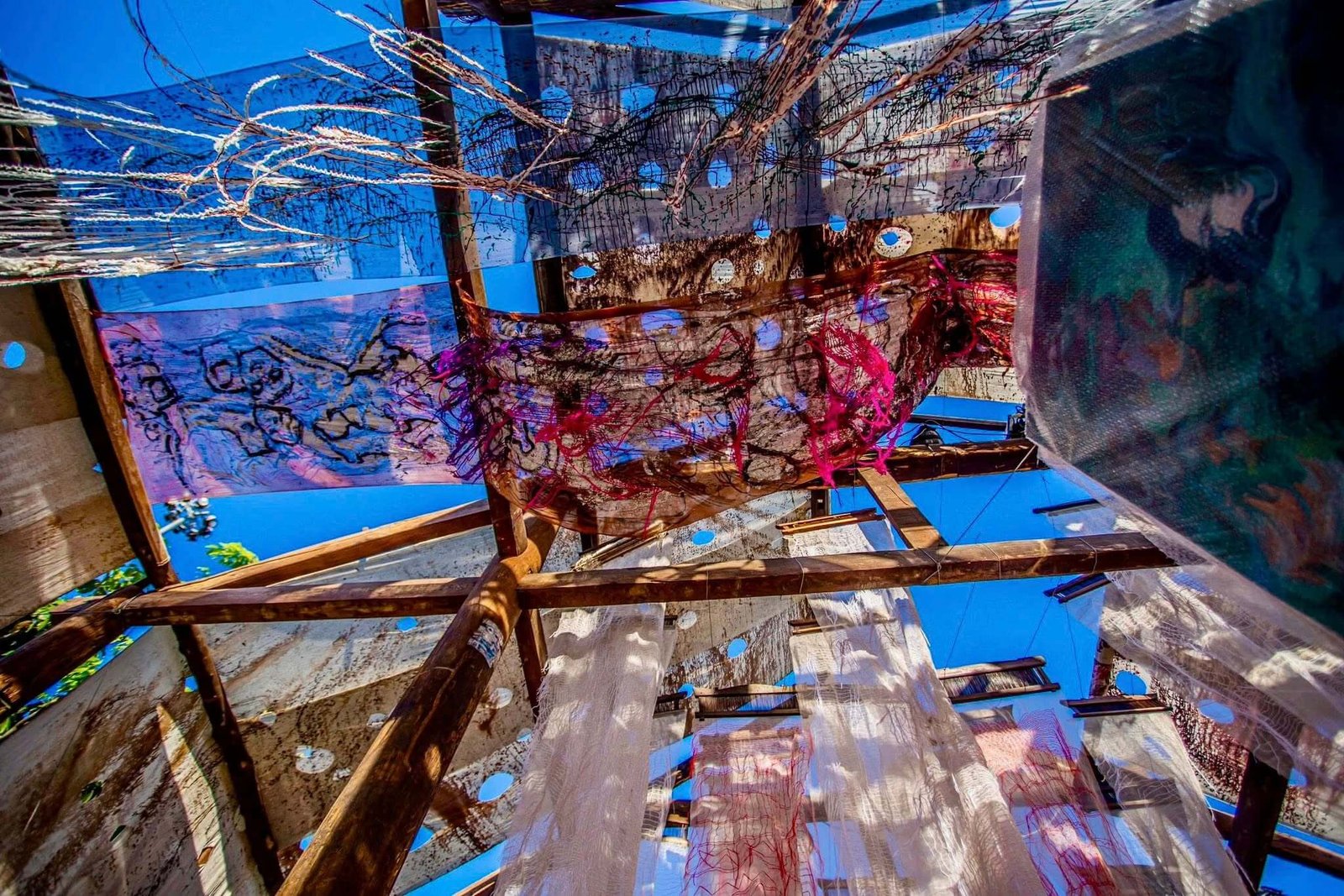
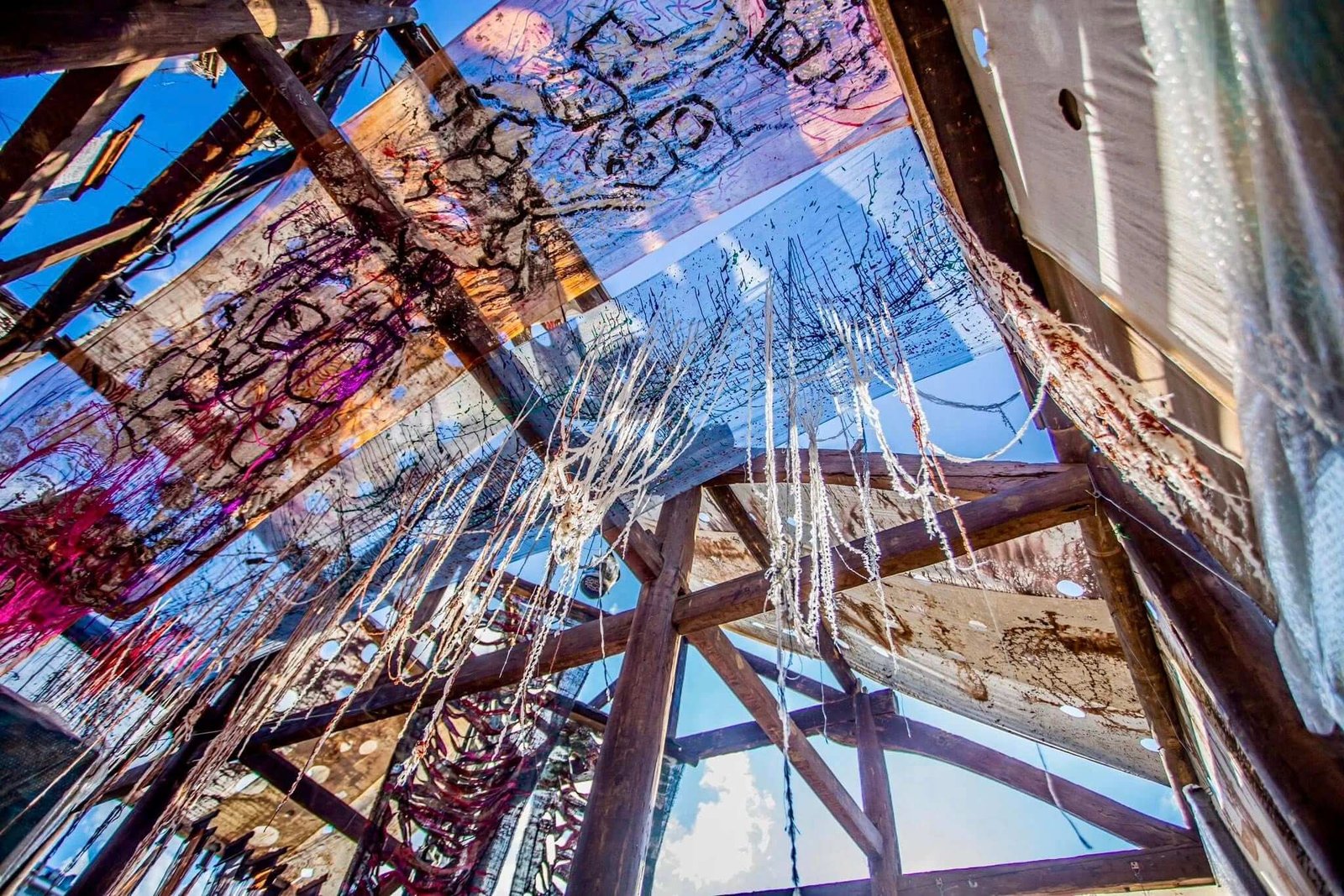
Photo: Thu Tran's Installation Exhibition 'Xong Chu Xon Xao' (2025). Credit: Thu Tran and Phan Ling Gallery
Most of this journey happens unconsciously. Artists grow simply by living — through relationships, disappointments, curiosity, time passing. And the work grows with them. That’s why art often feels like a kind of life document. Even when the journey isn’t neatly recorded, you can feel it when you look across a body of work.
Almost every artist goes through distinct phases. One of the hardest tends to come right after graduation. After years of learning rules, references, and frameworks, artists suddenly face a new task: unlearning. Letting go. Questioning everything they were taught.
This stage is incredibly difficult. And not everyone gets through it.
Those who do begin to shift from being technically trained to becoming truly independent artists. That transition — quiet but profound — is often where real artistic work begins.
So when we talk about the artistic journey, we’re not talking about success or output. We’re talking about commitment, integrity, and the courage to keep evolving. These qualities don’t always announce themselves loudly — but they shape the most meaningful contemporary art.
When you collect art, you’re not really investing in things — you’re investing in people.
II. Why Understanding the Artistic Journey Matters in Art Collecting
Here’s where this becomes important for collectors.
When you understand an artist’s journey, you stop looking only at the surface — the colours, the technique, the materials — and start paying attention to the thinking behind the work. The real substance lives there.
Collecting contemporary art isn’t about buying objects. It’s about engaging with ideas. When you collect art, you’re not really investing in things — you’re investing in people.
And the value of an artwork never exists separately from the artist who made it.
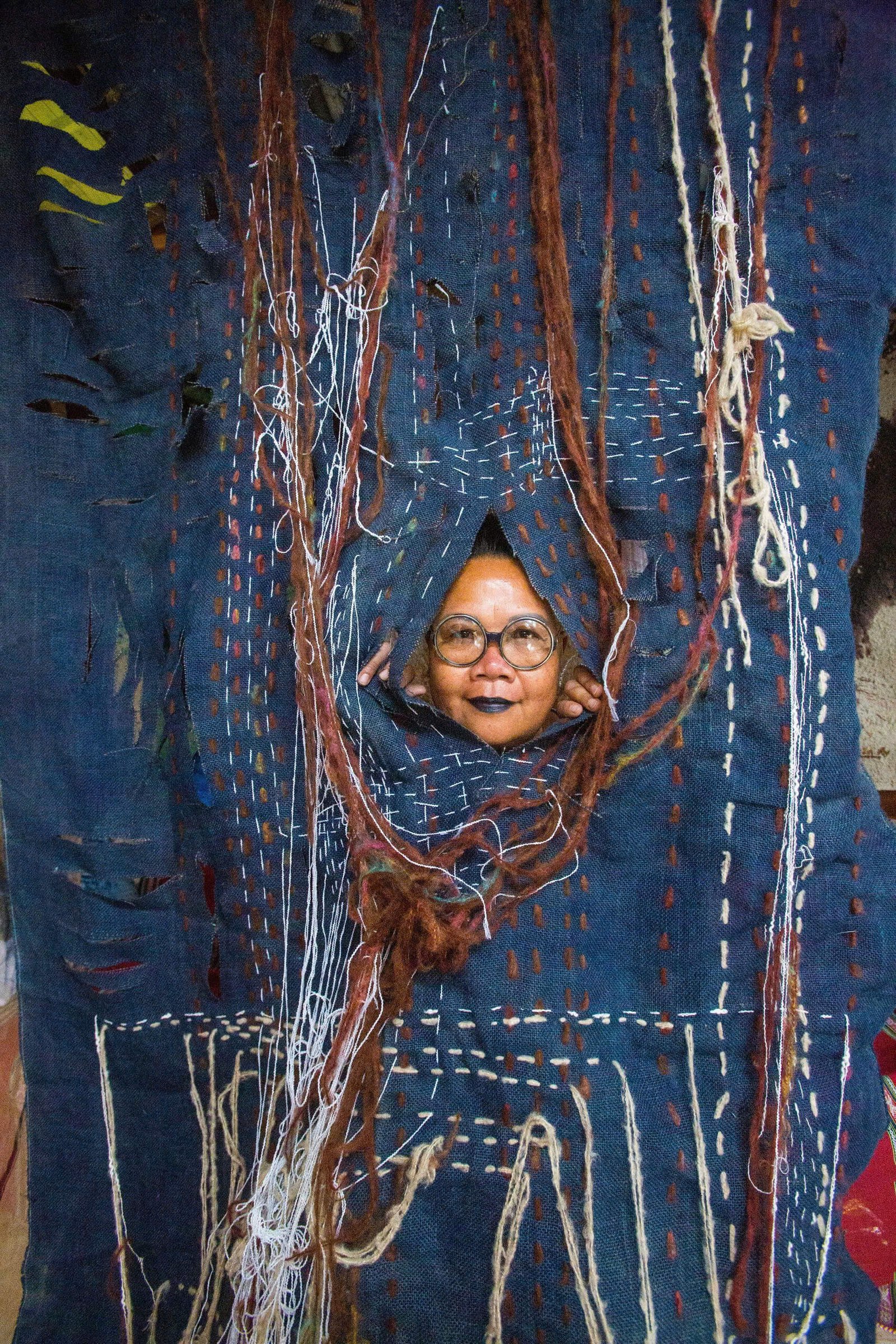
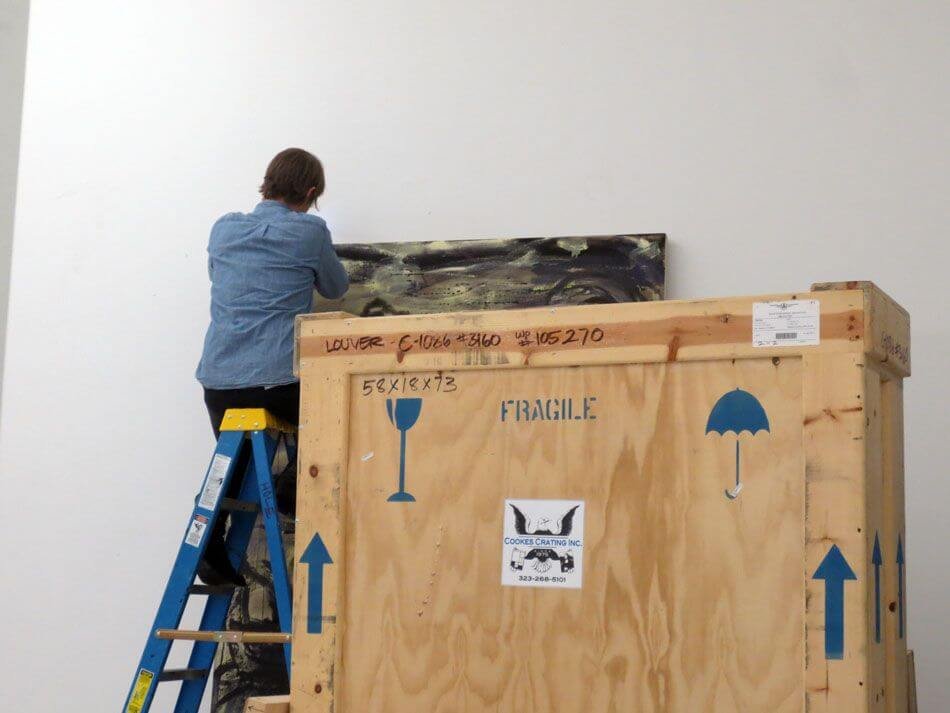
Photo: Thu Tran behind the process of creating 'Xong Chu Xon Xao' exhibition (2025)
That value grows when an artist keeps thinking, questioning, evolving — intellectually and emotionally. When they show discipline, ethics, and commitment to their creative practice. These are the things that sustain an artist over time, and they’re what ultimately secure the long-term significance of the work you bring into your collection.
There’s also something deeply personal here.
The artists you choose often reflect parts of yourself — your values, your questions, even specific moments in your life. Certain works end up marking important stages or memories. Over time, a collection becomes less about ownership and more about resonance.
That’s why understanding the artistic journey adds real value to collecting — not just culturally, but emotionally.
It takes courage to step away from validation and start thinking independently
III. How the Artist’s Work Grows and Develops Over Time
An artistic journey doesn’t follow a straight line. Artists change because life changes them. Time passes, perspectives shift, questions deepen — and the work responds.
This is what creative development really looks like: slow, layered, and shaped by lived experience rather than strategy.
Most artists go through phases. As we mentioned earlier, one of the most demanding comes after graduation, when unlearning becomes necessary. It takes courage to step away from validation and start thinking independently. That moment — when it happens — is often a quiet breakthrough.
As artists move forward, you’ll often see changes in medium, scale, or approach. These aren’t sudden breaks, but responses to new questions and discoveries.
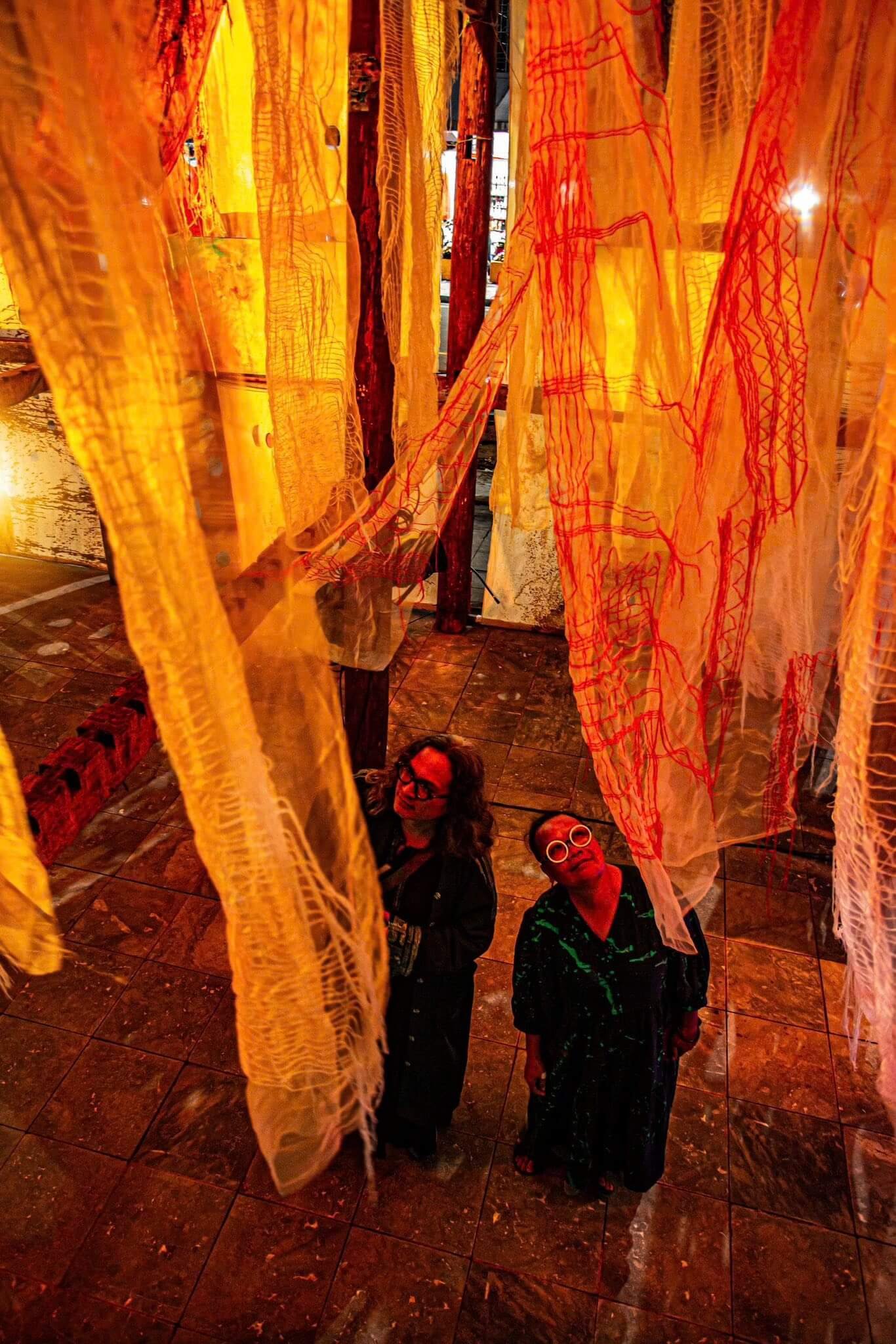
Photo: Thu Tran's Installation Exhibition 'Xong Chu Xon Xao' (2025). Credit: Thu Tran and Phan Ling Gallery
Across different periods, work may look very different on the surface. But underneath, certain concerns remain. In Thu Tran’s case, themes like transformation, material memory, and impermanence continue to return — even as her visual language evolves. This balance between change and continuity is what we call creative evolution.
Growth also comes through repetition. By returning to similar ideas or materials, artists gain clarity. Maturity doesn’t usually arrive dramatically — it shows up in restraint, precision, and quiet confidence.
Some artistic movements even place emphasis on the creative process itself as a central aspect of meaning, not just the finished work. When you see art this way, each piece becomes part of a longer conversation rather than a standalone object.
For collectors, recognizing this layered development makes all the difference. It allows you to see work as part of an evolving whole — shaped by commitment rather than momentary experimentation.
Collecting contemporary art isn’t just about acquisition. It’s about relationship.
IV. The Gallery’s Role in Interpreting the Artistic Journey
At Phan Ling Gallery, this understanding of the artistic journey sits at the core of what we do.
As a contemporary art gallery based in Singapore, our role goes beyond presenting individual works. We work closely with artists to help articulate context — connecting ideas, periods, and intentions into a larger narrative.
We believe in long-term professional development. Supporting artists over time gives them the space to take risks, deepen research, and continue evolving their creative practice without being pressured into immediate outcomes.
For collectors, our role is to act as a trusted guide. We help clarify continuity and intent while respecting the complexity of contemporary art. Through careful curation and close dialogue with artists, we aim to make collecting feel thoughtful, grounded, and confident.
Today, contemporary artistic practice often involves interdisciplinary and experimental approaches that challenge traditional boundaries. Understanding this context helps collectors engage with work more deeply — without oversimplifying it.
In the end, collecting contemporary art isn’t just about acquisition. It’s about relationship.
When you take the time to understand an artist’s journey — how they think, how they grow, how their work evolves — collecting becomes richer and more intentional. Curiosity matters. Conversation matters. Asking “why” matters.
If you follow artistic journeys over time, you don’t just build a collection — you build understanding.
And that’s where confidence comes from. Not from pressure or urgency, but from knowledge, connection, and trust.
If this way of collecting resonates with you, we invite you to explore, ask questions, and engage with the artists we work with. Collect with intention. Follow ideas. And let your collection grow alongside the journeys that move you.