Surrealism is one of the most fascinating and mysterious art movements in modern history. If you’ve ever looked at a painting and felt like you were inside a dream—or a strange nightmare—you were probably looking at surrealism art painting.
This guide is written for beginners. You don’t need an art history background, and you don’t need to “understand” everything. Surrealism invites curiosity, imagination, and emotion rather than logic. Let’s explore what surrealism is, where it came from, and why it still matters today.
What Is Surrealism?
Surrealism is an art movement that explores the unconscious mind—dreams, imagination, memory, fear, and desire. Instead of showing the world as it appears, surrealist artists paint what the mind feels and imagines.
According to Encyclopaedia Britannica, surrealism developed in the early 20th century as a reaction against rational thinking and traditional realism. Artists wanted to go beyond logic and tap into deeper psychological states. TheTatedescribes surrealism as art that aims to “unlock the creative potential of the unconscious mind.”
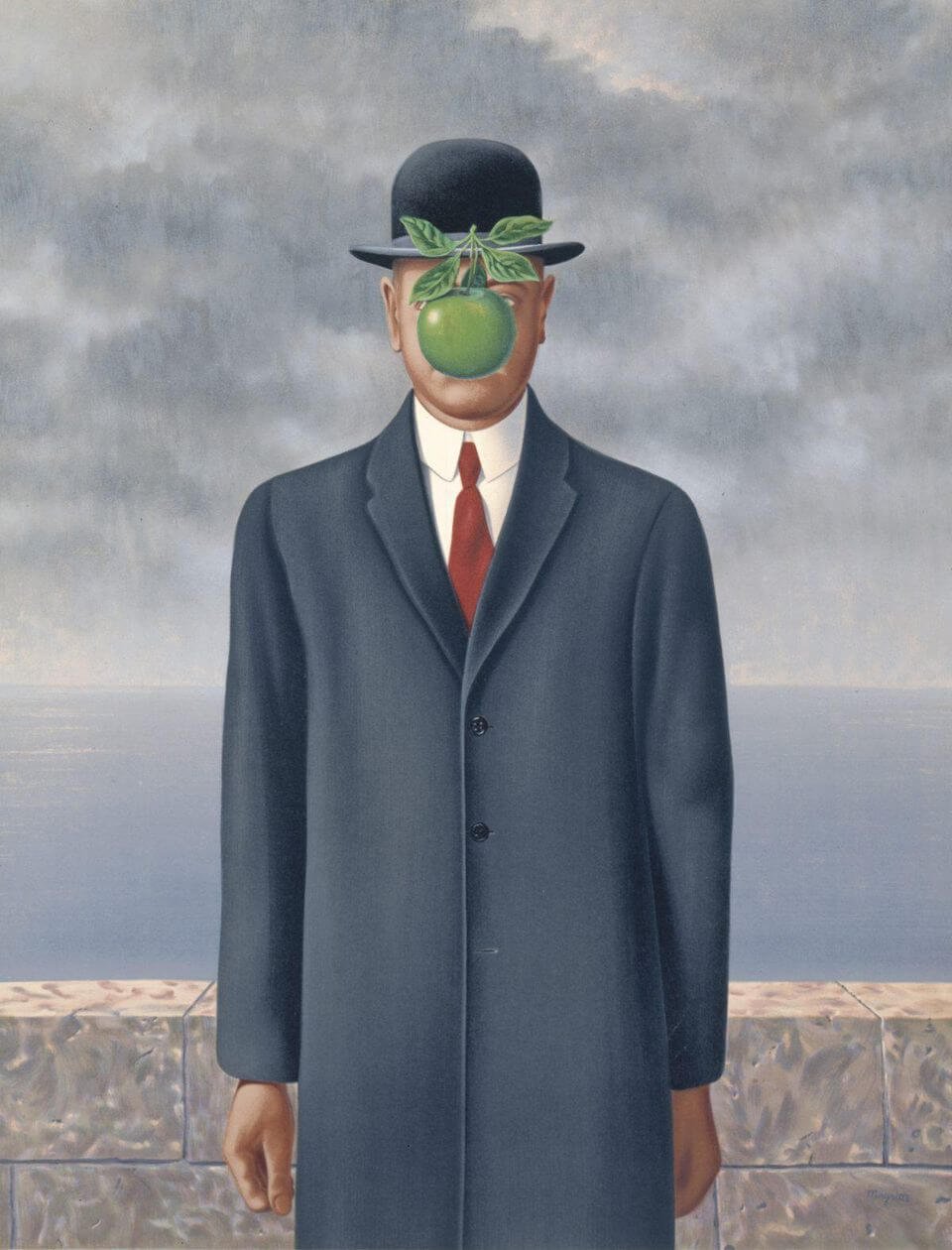
Photo: Son of Man by Rene Magritte (1964)
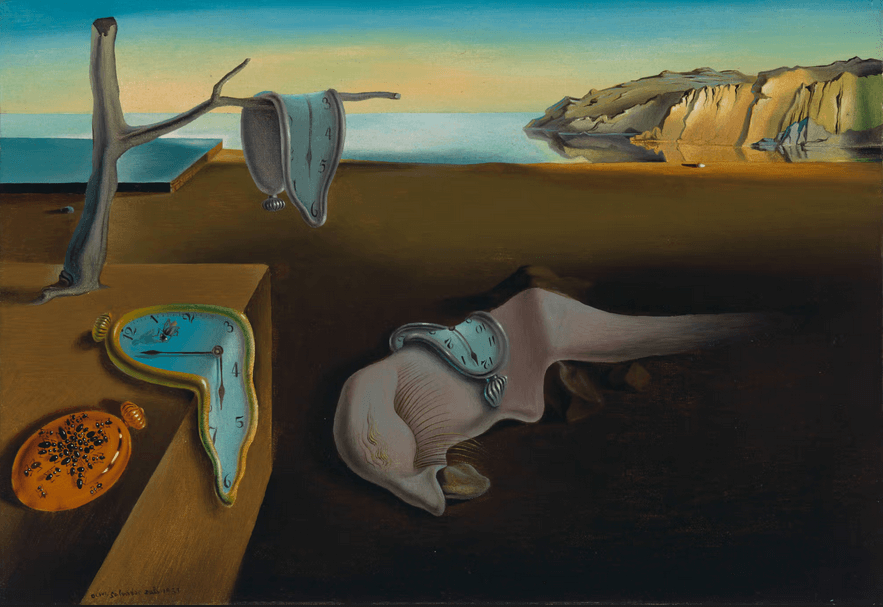
Surrealism is about showing what happens inside the mind, not just what exists in real life.This is why surrealism art painting often looks strange, impossible, or dreamlike—melting clocks, floating objects, endless deserts, distorted faces, and unexpected combinations.
Today, surrealism still influences artists around the world, especially in contemporary surrealism, where modern themes like identity, technology, and mental health are explored.
Where Did Surrealism Come From?
Surrealism began in Europe after World War I, during a time of deep emotional and social disruption. Many artists felt that logic and reason had failed humanity, so they searched for new ways to express truth.
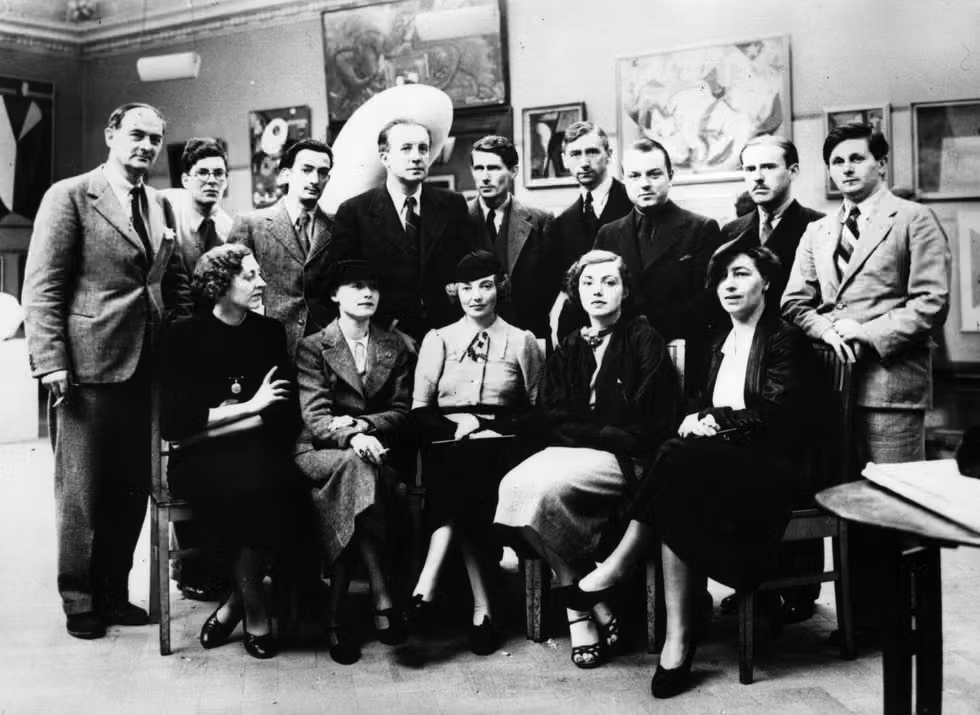
Photo: A Surrealist class portrait: Back row, from left, are Rupert Lee, Ruthven Todd, Salvador Dali, Paul Eluard, Roland Penrose, Herbert Read, E.L.T. Mesens, George Reavey and Hugh Sykes-Davies. Front row, from left, Diana Lee, Nusch Eluard, Eileen Agar, Sheila Legge and unknown. Credit: Evening Standard
Paris became the center of the movement, and many French surrealist painters were involved in shaping its ideas. Writers, poets, and visual artists worked closely together, influenced by psychology—especially the theories of Sigmund Freud about dreams and the unconscious.
The Metropolitan Museum of Art explains that surrealism was not just a visual style but a way of thinking. Artists experimented with chance, automatic drawing, and dream analysis to bypass conscious control.
Instead of planning every detail, surrealists allowed unexpected forms and images to emerge. This freedom became one of the defining characteristics of surrealism art.
Key Characteristics of Surrealism Art
If you’re new to surrealism, here are some common features you’ll notice across many surrealism art pieces:
1. Dreamlike Imagery
Surrealist paintings often resemble dreams. Scenes may feel familiar but also unsettling. Time, space, and physical rules don’t apply.
This is why people often describe surrealism as dream surrealism art—a visual language of the subconscious.
The Tateemphasizes that surrealism encourages viewers to respond emotionally rather than intellectually.
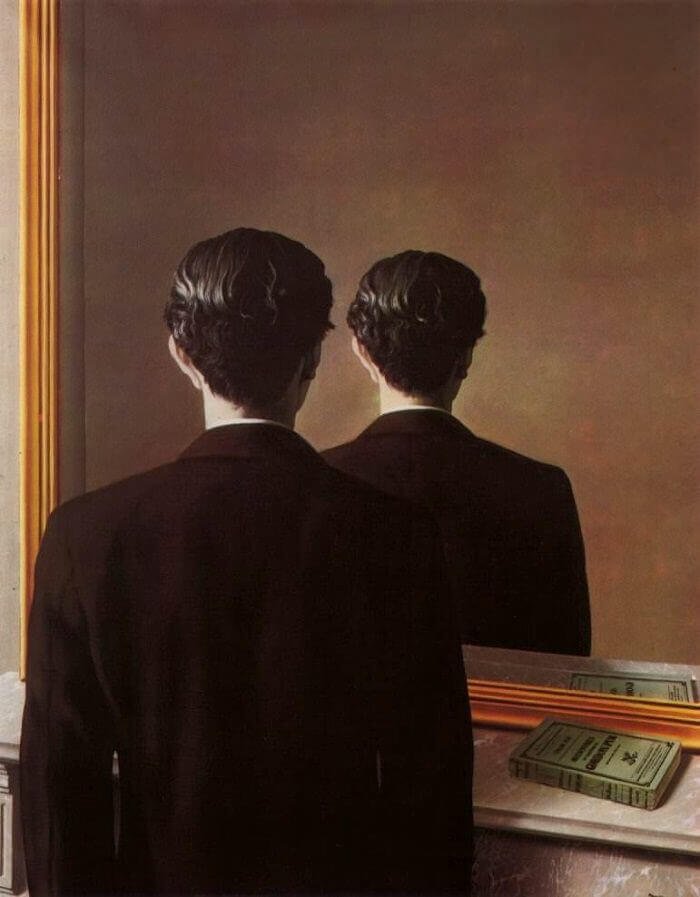
Photo:Not to Be Reproduced by Rene Magritte (1937)
4. Fantasy and Imagination
Fantasy surrealism allows artists to create entire worlds that don’t exist. These imaginative spaces feel poetic, eerie, or playful—sometimes all at once.
Different Types of Surrealism
Surrealism is not a single visual style. Over time, artists developed different approaches to expressing the unconscious mind.
Dream Surrealism Art
This style uses realistic painting techniques to depict impossible scenes. The result often feels calm yet unsettling, like a vivid dream frozen in time.
Dark Surrealism Art
Dark surrealism explores fear, anxiety, trauma, and the shadow side of human psychology. These works may appear disturbing, but they often reflect deep emotional truths.
Fantasy Surrealism
Fantasy surrealism is highly imaginative and visually rich. It blends myth, symbolism, and dream imagery to create worlds that feel both magical and unreal.
Portrait Surrealism
In portrait surrealism, faces and bodies are distorted, fragmented, or merged with unexpected elements. These works often explore identity, memory, and self-perception.
As Britannica explains, surrealism evolved continuously, adapting to different artistic personalities and cultural contexts rather than remaining fixed to one style.
Women of Surrealism: Expanding the Narrative
Surrealism was not shaped by men alone. Women artists brought deeply personal perspectives that expanded the movement’s emotional and symbolic range.
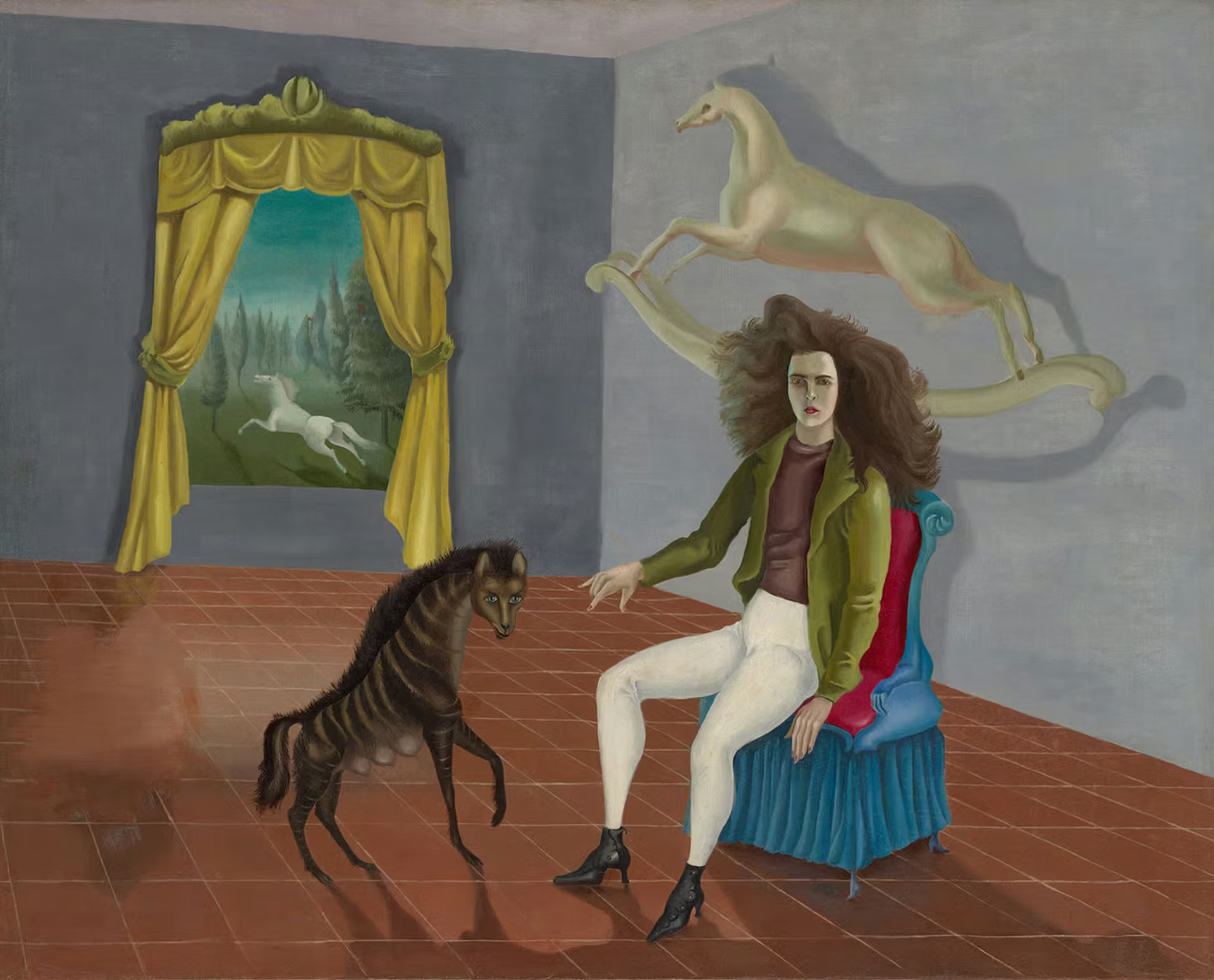
Artists such as Leonora Carrington, Remedios Varo Uranga, and Kay Sage explored themes of myth, transformation, identity, and inner worlds. Their work often focused on psychological space rather than external reality.
The Methighlights how these artists pushed surrealism beyond dream imagery into deeply personal and imaginative narratives. While some of their works align with dark surrealism art, others feel poetic, symbolic, and introspective.
Surrealism did not end in the mid-20th century. It continues today as artists respond to the psychological and social realities of contemporary life.
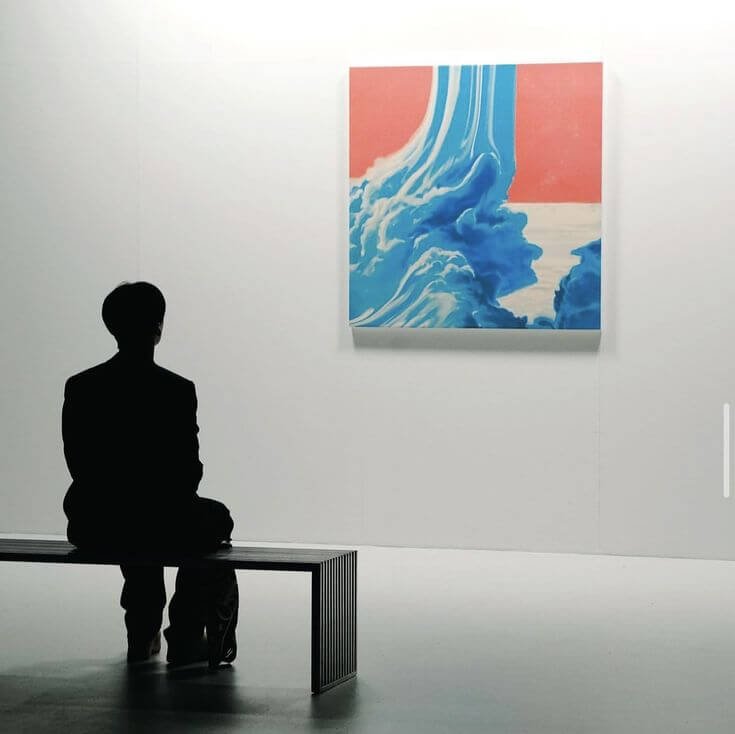
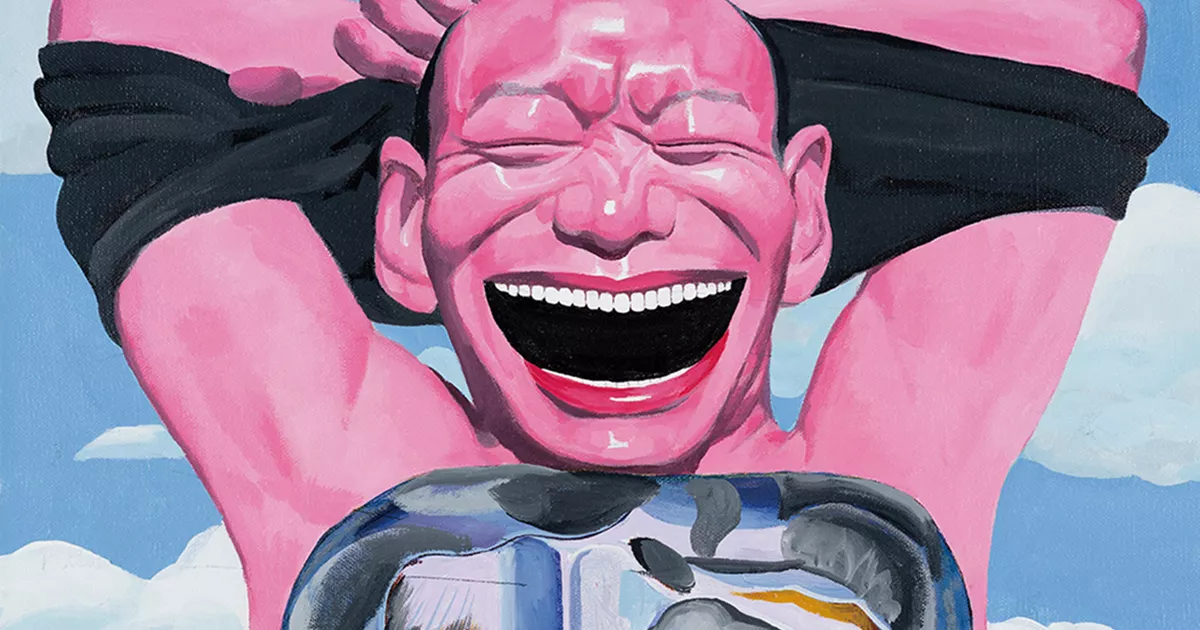
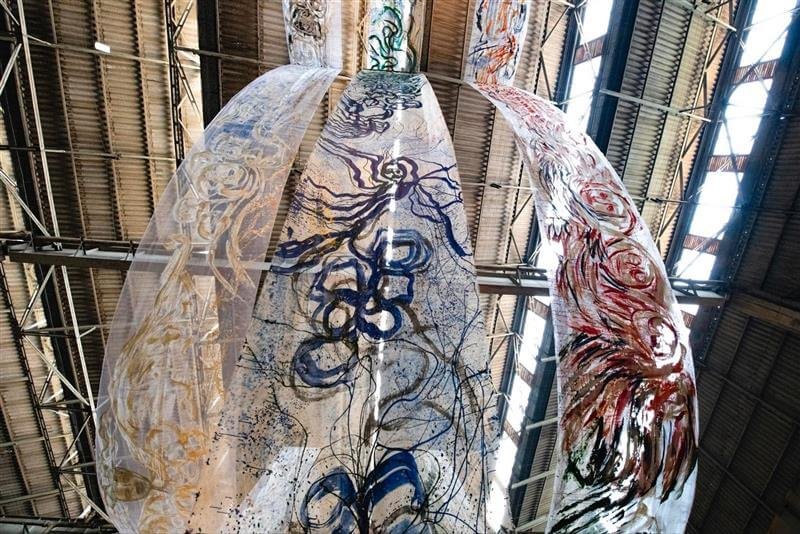
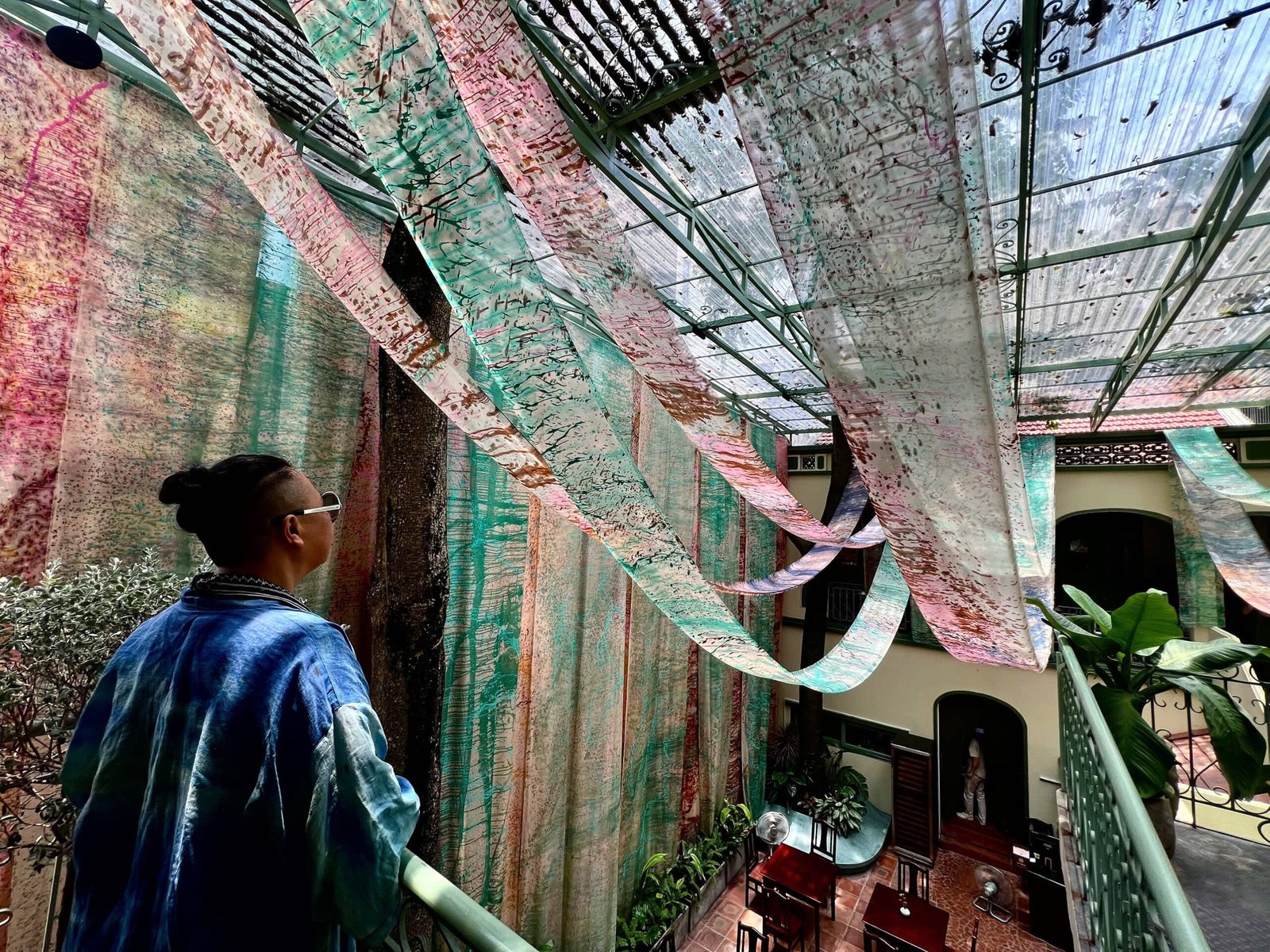
Contemporary surrealism builds on the movement’s original interest in dreams and the unconscious, but expands it through modern materials and ideas. Artists now combine traditional painting with digital media, photography, and mixed techniques, creating layered images that reflect the complexity of the present moment.
Many contemporary surrealist works explore identity, often portraying fragmented or shifting figures to reflect how the self is shaped by culture, media, and constant visibility.