Have you ever wondered what really separates decorative art from fine art? While they may look similar at first glance, the difference matters far more than most collectors realise. From originality and authenticity to rarity and long-term value, knowing how to distinguish fine art from decorative pieces can completely change the way you collect. If you’re thinking about buying fine art or building a meaningful art collection, this guide reveals what truly makes art worth collecting.
What Is Decorative Art? (And Why It’s Everywhere)
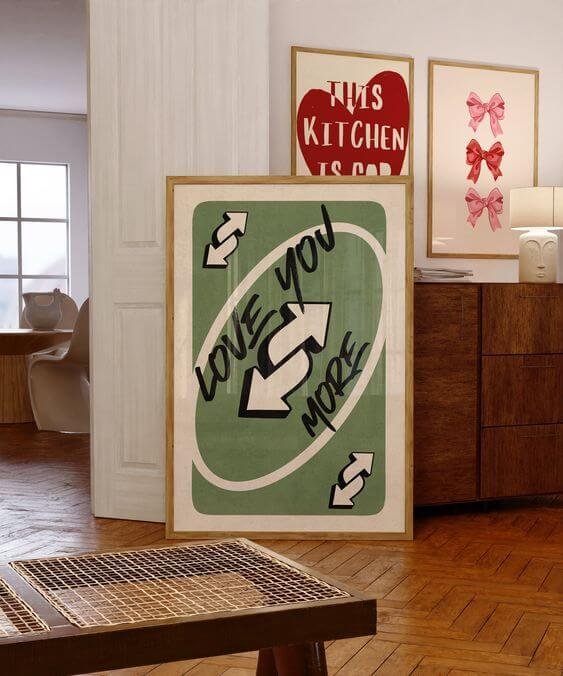
Decorative art refers to artworks created primarily to enhance interiors — think decorative drawings, mass-produced prints, wall décor, or stylish objects designed to fit aesthetic themes. These pieces serve a visual function: to beautify, soften, or elevate a space.
Credit: Printerest.
A defining feature of decorative art is its volume. Most decorative pieces are produced in many copies. They are often replicated mechanically or digitally, sometimes hundreds or thousands at a time. Because of this, decorative art rarely carries rarity or long-term investment potential.
There is nothing inherently wrong with buying decorative pieces — they are accessible, affordable, and great for styling a home. But they belong to a different category from fine art.
Key Traits of Decorative Art:
Produced in multiple or unlimited copies
Created for aesthetic or design purposes
Not centred around artistic innovation or conceptual depth
Generally does not come with authenticity certification
Appreciates slowly (or not at all) over time
In short, decorative art is designed to match a room, not to hold historical or artistic significance.
Fine Art Definition in Art: What Makes It Different?
Fine art refers to works created with a primary intention of artistic expression — rooted in creativity, conceptual thinking, cultural commentary, and mastery of craft. This includes painting, sculpture, mixed media, photography, and more.
Unlike decorative art, fine art is almost always one of a kind — or created in strictly limited editions. When collectors acquire fine art, they are not simply buying an object; they are collecting a piece of an artist’s vision, narrative, and legacy.
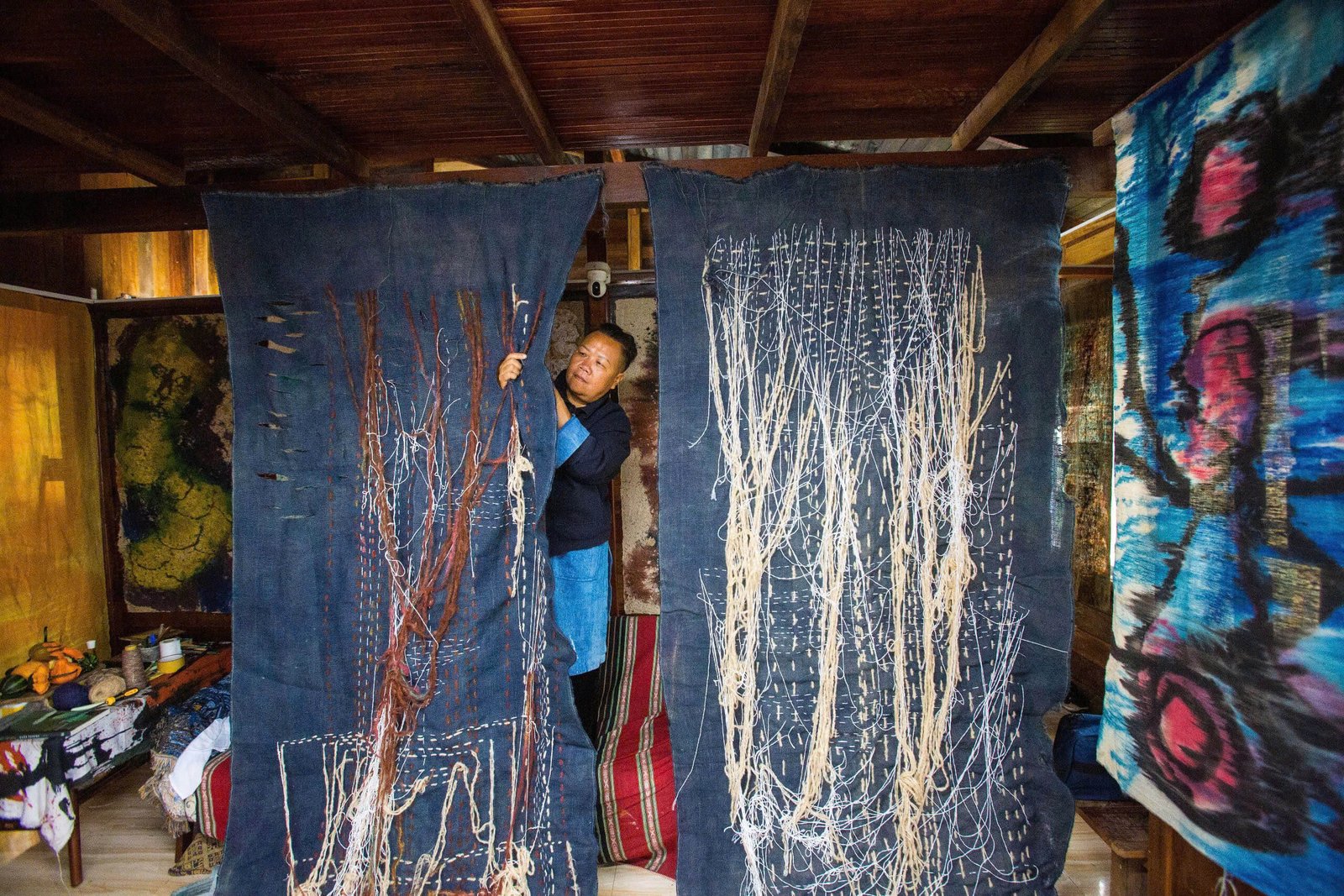
A clear example is artist Thu Tran, whose practice goes far beyond the studio. For her 2025 installation Xống Chụ Xôn Xao, Thu Tran lived alongside ethnic minority communities, immersing herself in their daily rituals, traditions, and ways of life. Through this process of cultural observation and participation, she gathered living evidence — stories, gestures, and materials — which later transformed into an installation that preserves cultural memory rather than replicates surface aesthetics.
Photo: Xong Chu Xon Xao artworks made by artist Thu Tran. Credit: Thu Tran
Key Traits of Fine Art:
Original piece or strictly limited edition
Comes with authenticity certification (such as a certificate of authenticity or provenance documentation)
Conceptual, expressive, and emotionally resonant
Holds cultural, artistic, and historical value
Has much stronger potential to appreciate over time
Fine art is created to bring meaning into a space — not simply decoration, but a story and intention.
Why Rarity and Authenticity Matter
In the art world, rarity is power. The fewer pieces available, the higher the potential value and the stronger the collector demand.
Decorative art is usually produced in many copies, leading to low rarity, while fine art is one of a kind or released in limited editions, making it rare and highly collectible
That scarcity is one of the main drivers of future value. A painting that exists only once — and is certified as authentic — has a level of exclusivity that mass-produced pieces will never achieve.
Authenticity is equally important. Fine art always comes with certificates, documentation, and verification because collectors need to ensure:
The piece is genuine
The artist created it
The edition number is correct
The artwork holds legitimate provenance
This foundation of trust is what makes fine art a sophisticated and meaningful acquisition.
Begin Your Fine Art Collection at Phan Ling Gallery
As the art world becomes increasingly accessible online, it’s easier than ever to confuse decorative art with fine art. At Phan Ling Gallery, we help collectors make informed, confident choices by offering authentic fine art that prioritises originality, rarity, and artistic value.
If you’re ready to move beyond mass-produced decoration and buy fine art that carries real cultural and long-term worth, explore our carefully curated collection. Every artwork at Phan Ling Gallery is one of a kind or part of a limited edition, comes with verified authenticity, and reflects a clear artistic vision worth preserving.
Start collecting authentic fine art today. Discover rare, original artworks and build a meaningful art collection with Phan Ling Galler