Let’s be honest—art pricing confuses almost everyone.
Even people who love art. Even people who buy art. At some point, we’ve all quietly wondered:
Why does this painting cost so much? How does anyone decide the price of art? Is art pricing just emotional—or is there something real behind it?
These are fair questions. Art doesn’t come with fixed price lists like retail. Two works that look similar can cost wildly different amounts. And unlike furniture or electronics, art doesn’t come with a clear breakdown of materials versus labor.
That confusion isn’t a failure on your part. It’s built into how art works.
To understand art pricing, we need to talk about price and value as two different but related things. And to do that, we need to look at how art became entangled with markets, industry, and perception in the first place.
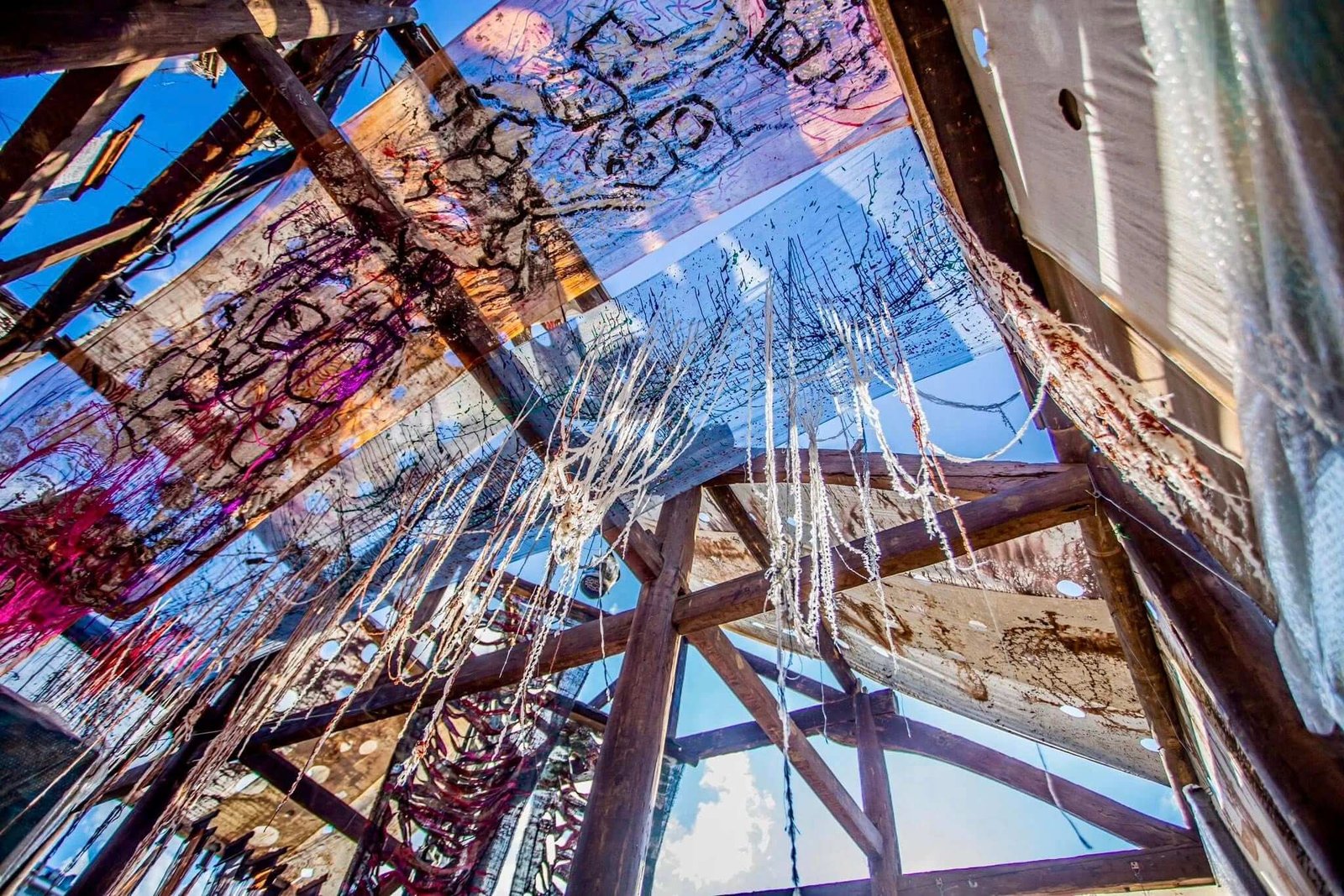
Image shown for descriptive purposes. Credit: Pinterest.
I. Why Art Pricing Feels Confusing to Almost Everyone
For much of history, art wasn’t something most people bought. It was commissioned by churches, monarchs, or institutions. Pricing existed, but it wasn’t public-facing in the way it is today.
Things changed dramatically in the mid-20th century, particularly during the 1950s–1960s, when artists like Andy Warhol emerged as central figures in reshaping how art was produced, circulated, and perceived.
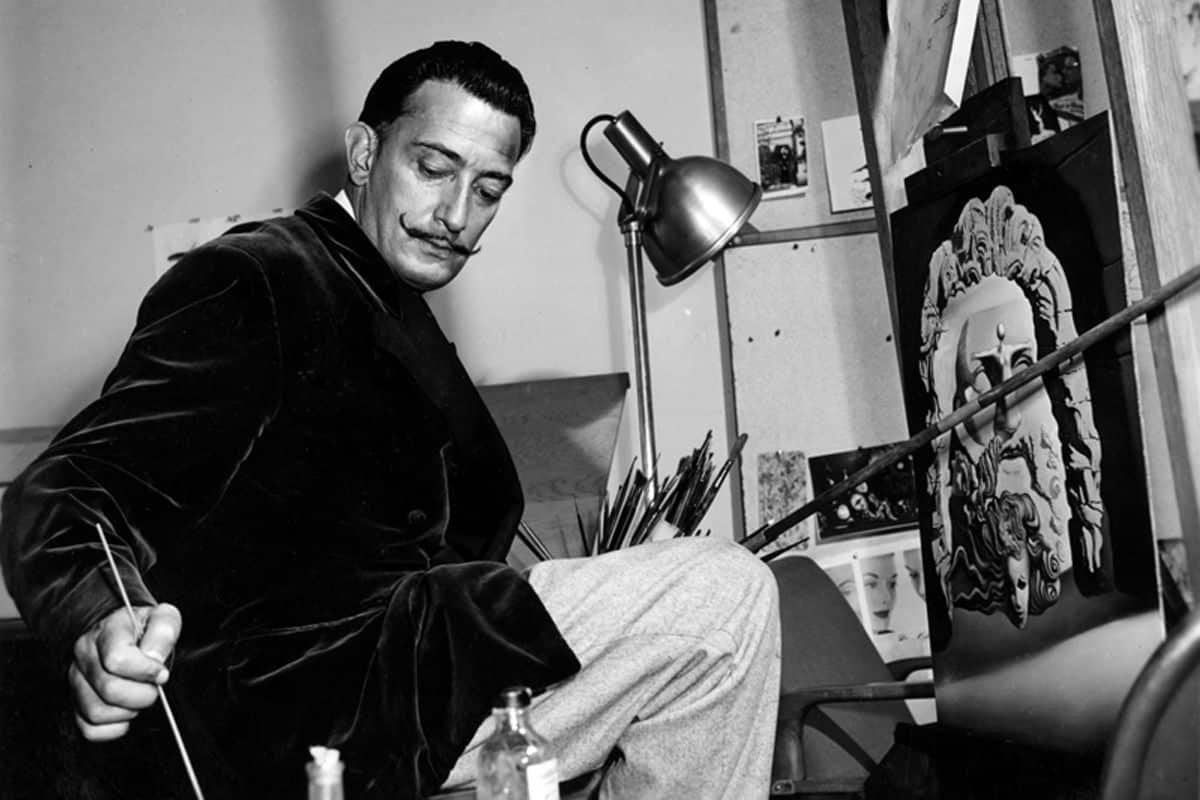
Image shown for descriptive purposes. Credit: Pinterest.
Photo: Andy Warhol. Credit: Pinterest
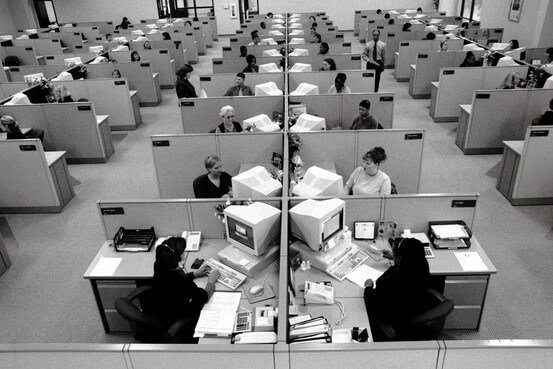
Warhol was a prime example of how art became industrialized.
He didn’t work alone in a studio producing one-off masterpieces in isolation. Instead, he adopted mass-production techniques, repetition, assistants, and mechanical processes. Art no longer hid its relationship to industry. It leaned into it.
This didn’t just change how art looked. It changed how art entered the market.
And once art began to behave like something that could be reproduced, branded, and circulated widely, pricing became more visible and more confusing.
.
II. How Art Became Entangled with Industry, Markets, and Mass Perception
Was the distinction between pop culture and “high art” ever truly clear?
Not exactly—but for a long time, it felt real.
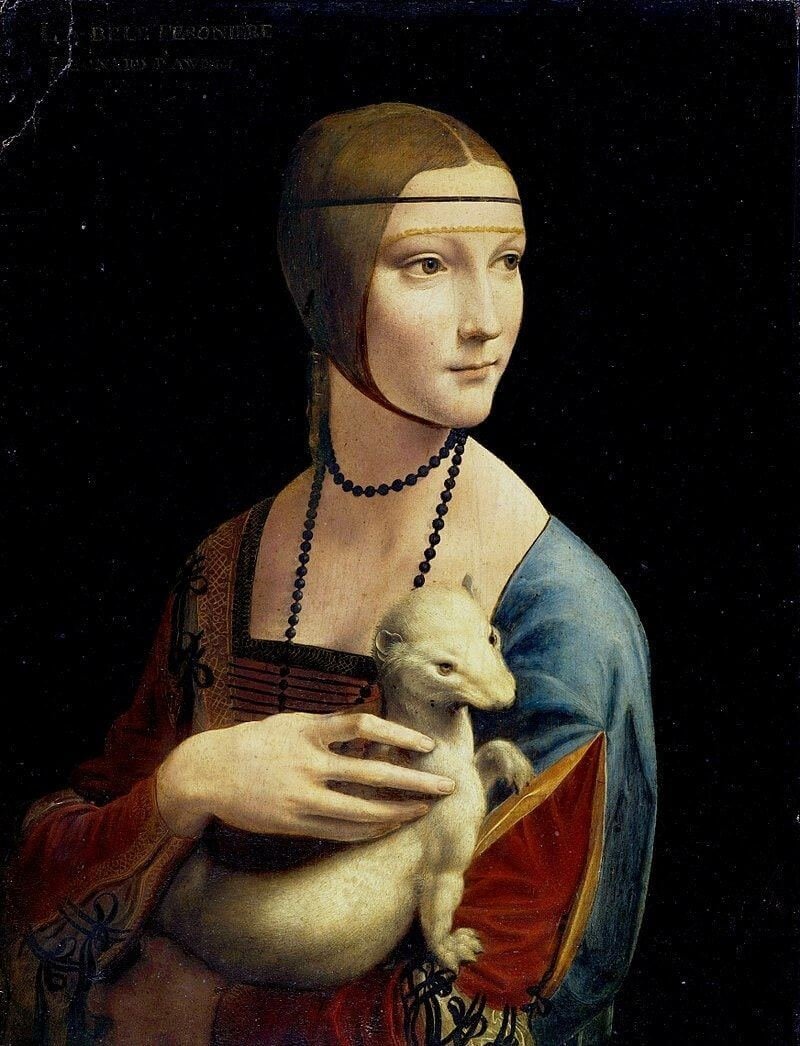
Before Warhol, “high art” lived in museums, academic circles, and elite spaces. Popular culture belonged to advertising, comic books, supermarket shelves, and television. What you consumed—and where—quietly reinforced class boundaries.
Warhol didn’t reject high art. He didn’t try to destroy it. Instead, he infected it.
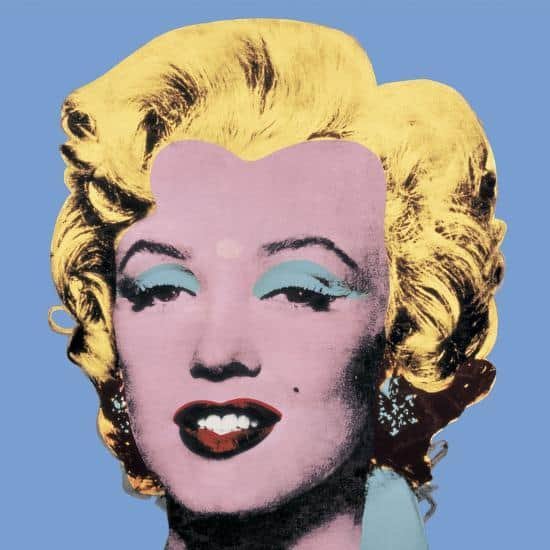
A soup can was treated with the same seriousness as a Renaissance portrait. Marilyn Monroe became both a sacred icon and a disposable image. Repetition replaced originality.
Photo: Lady with an Ermine by Leonardo da Vinci, 1489-91.
Photo: Marilyn Diptych by Andy Warhol (1962)
Everyone—regardless of class—saw the same celebrities, watched the same TV shows, drank the same soda. The illusion of equality through consumption was suddenly visible—and seductive.
A Coke is a Coke and no amount of money can get you a better Coke.
This didn’t erase class distinctions. It exposed how fragile they already were.
And it raised uncomfortable questions that still shape art pricing today:
Is art still valuable if it’s reproducible?
Does meaning disappear when art looks industrial?
If art behaves like a product, should it be priced like one?
Warhol didn’t just change how art looked. He changed how art entered the market. From that point on, visibility, branding, reputation, and perception became inseparable from price.
And this is where tension begins.
III. Price vs. Value: What’s the Difference?
Let’s slow down and separate two ideas that are often confused.
What “Price” Means in Art
Price is a market number. It’s shaped by context: career stage, demand, visibility, timing, and consistency.
A painting’s value does not disappear when it leaves the gallery. It doesn’t rely solely on the artist’s name or the amount you paid. Value is built over time, through living with the work.
Which brings us to the practical side of pricing.
But price still isn’t the whole picture.
IV. What Determines the Price of an Artwork
Let’s start with the part that feels most concrete: price. Buyer-friendly guides like Affordable Art Fair’s explanation of how art is priced help demystify this side of pricing.
Even though art pricing can feel mysterious, it’s not random. Especially in the primary market, there are frameworks galleries and artists use to arrive at a number. Think of these as guidelines, not formulas.
Artist Career Stage
Emerging, mid-career, and established artists are priced differently. Prices rise gradually to maintain consistency and protect long-term artist painting values.
Medium and Materials
Paintings, works on paper, textiles, sculpture, and mixed media all carry different considerations—durability, conservation, and production complexity.
Size and Complexity
Scale matters, but complexity of process matters too. A visually quiet work may involve years of experimentation.
Editioned vs. Unique Works
Original works are priced differently from editions. Editions exist to create access—not to dilute value.
Time and Process
Research, failed attempts, revisions, and conceptual development matter. But labor hours alone do not define worth..
When an artwork keeps meeting you—long after the gallery visit—it has begun to build value that no market logic can fully measure.
V. What Determines the Value of an Artwork (Beyond the Market)
This is where art stops behaving like a product.
Artist Ideas, Vision, and Skill
When you buy a painting, you buy materials. When you buy art, you buy ideas and grey matter.
A strong artistic idea creates value beyond aesthetics. When a work feels necessary—when there is clarity of intent rather than decoration—you’re engaging with something that can sustain meaning over time.
Artists don’t just have ideas. They develop skills to carry those ideas through. How an artist handles paint, silk, lacquer, or mixed materials—how they combine, manipulate, and control them—is part of how meaning is delivered.
This is why two visually similar works can feel worlds apart in value.
Cultural, Social, and Historical Resonance
Artists don’t create in a vacuum.
They draw from their surroundings—cultural traditions, political climates, personal histories, and lived experience. Over time, these layers accumulate. Some works gain depth as the world changes around them.
Emotional and Intellectual Return
Think about a book.
Its price isn’t determined by how many pages it has or how much ink was used. Two books can cost the same—yet one stays with you for years, while the other is forgotten the moment you close the cover.
Which one is more valuable?
Art works the same way.
There are guidelines that help you navigate—artist stories, cultural references, conceptual depth, artistic voice. They’re useful. But they are not the final measure.
What ultimately matters is return.
How often do you think about the work again? Does it reveal something new over time? Does it continue to speak to you as you change?
When an artwork keeps meeting you—long after the gallery visit—it has begun to build value that no market logic can fully measure.
And yes, this is where the joke comes in.
As I often tell clients (half-jokingly): If you buy an aesthetically pleasing painting with no real connection to it, it’s like marrying a trophy wife. Is there anything morally wrong with it? I won’t judge. But it probably won’t last.
He argues that today’s art market is shaped heavily by market dynamics, prestige, and visibility, sometimes more than craftsmanship alone. High prices and cultural cachet reinforce each other, creating self-sustaining cycles.
This doesn’t mean art lacks value. It means price and value don’t always move in sync.
VII. How to Approach Buying Art Confidently
As a buyer, you have full agency.
You decide how much a painting is worth to you. The value of a painting doesn’t rely on the artist’s name or the price you paid—it relies on how you live with it.
At Phan Ling Gallery, our role is not to rush decisions, but to help collectors understand the value behind the price tag—how artists build coherent practices, how careers develop sustainably, and how thoughtful collecting helps maintain long-term value.
This buyer-first philosophy is embedded in how we work and how we educate collectors. Our New Collector Guide reflects this approach—helping you understand how to select the right artists, build relationships with galleries, and collect with intention rather than speculation.
If you visit our gallery, you’re always welcome to return once, twice, or ten times. Sit with the work. Let it unfold. Confidence in collecting comes from familiarity, reflection, and trust, not pressure.
Final Thoughts: Price Is a Number. Value Is a Relationship.
Price exists in the market. Value exists in experience.
Every artwork has a voice. If you can’t hear it—no price can justify it.
Understanding both price and value doesn’t just make you a smarter buyer. It makes collecting more meaningful.