Two of my friends, Alex and Sofia, have been part of my life for over a decade. Alex, a software engineer with an eye for color, and Sofia, a high school teacher who loves storytelling through visuals, have always appreciated art. Their home is a warm mix of prints they’ve picked up over the years — scenic landscapes, abstract shapes, cheerful pops of color. They even have a few small original pieces from local painters they met at community art events. But mostly, their walls are filled with reproductions: familiar, affordable, and safe.
Recently, though, their conversations started to shift. With a bit more disposable income and a growing curiosity about the art world, they began wondering: Could we finally start collecting real art? They felt excited—but also a little overwhelmed. Where to begin? What does it even mean to collect art? And why should you start with emerging artists?
If that sounds like you — uncertain, curious, and ready to take the first step — you’re in the right place. Let’s walk through how to start collecting art in a way that’s joyful, personal, and meaningful.
What Is an Art Collection?
Before we dive into practical tips, let’s clarify: what is an art collection?
An art collection isn’t just a group of objects on your wall or shelf. It’s a reflection of your interests, your curiosity, and the way you connect with the ideas and stories behind each piece. Technically, an art collection is a carefully chosen set of artworks that come together over time to reflect a coherent aesthetic, theme, or emotional resonance. Some collectors see their collection as a long-term investment; others treat it as a deeply personal dialogue with the artists they admire. Most of us fall somewhere in between.
The key takeaway here: collecting art is an intimate process that develops over time. It’s not about instant gratification or chasing famous names; it’s about thoughtful exploration and meaningful engagement. True collecting goes beyond the object itself — you’re investing in the people who make the art, not just the piece
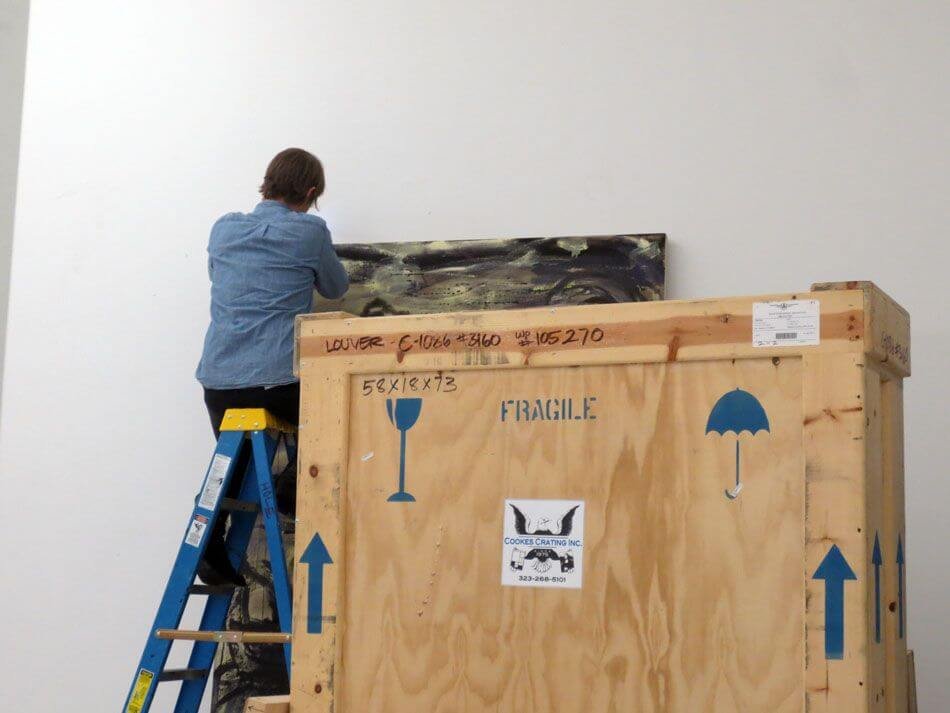
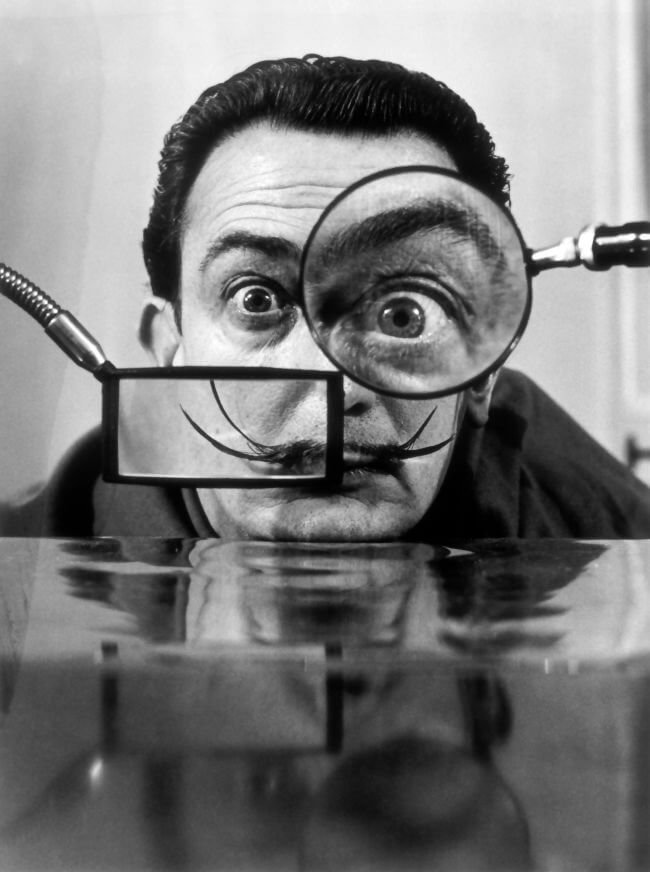
Credit: Pinterest.
You’re not investing in the piece of art itself You’re investing in the people who make it.
Why Emerging Art Is a Great Starting Point
Many beginners assume that collecting art is only about famous names or blue-chip works. In reality, emerging artists are often the perfect entry point.
When I look at emerging artists, I realize they are not only highly approachable, but their work is often among the most imaginative and exciting being created today—and they are essential to the broader art ecosystem. When you decide to collect their work, you are doing something wonderful: you directly support their creativity, engage in a meaningful diaglogue, gain access to high-quality original art at accessible prices, and build a collection that feels deeply personal and impactful. Plus, it gives you a chance to engage closely with the artist’s philosophy and creative process.
Remember, meaningful collecting is about relationships, perspectives, and storytelling. Each piece becomes a reference point for your own ideas and experiences.
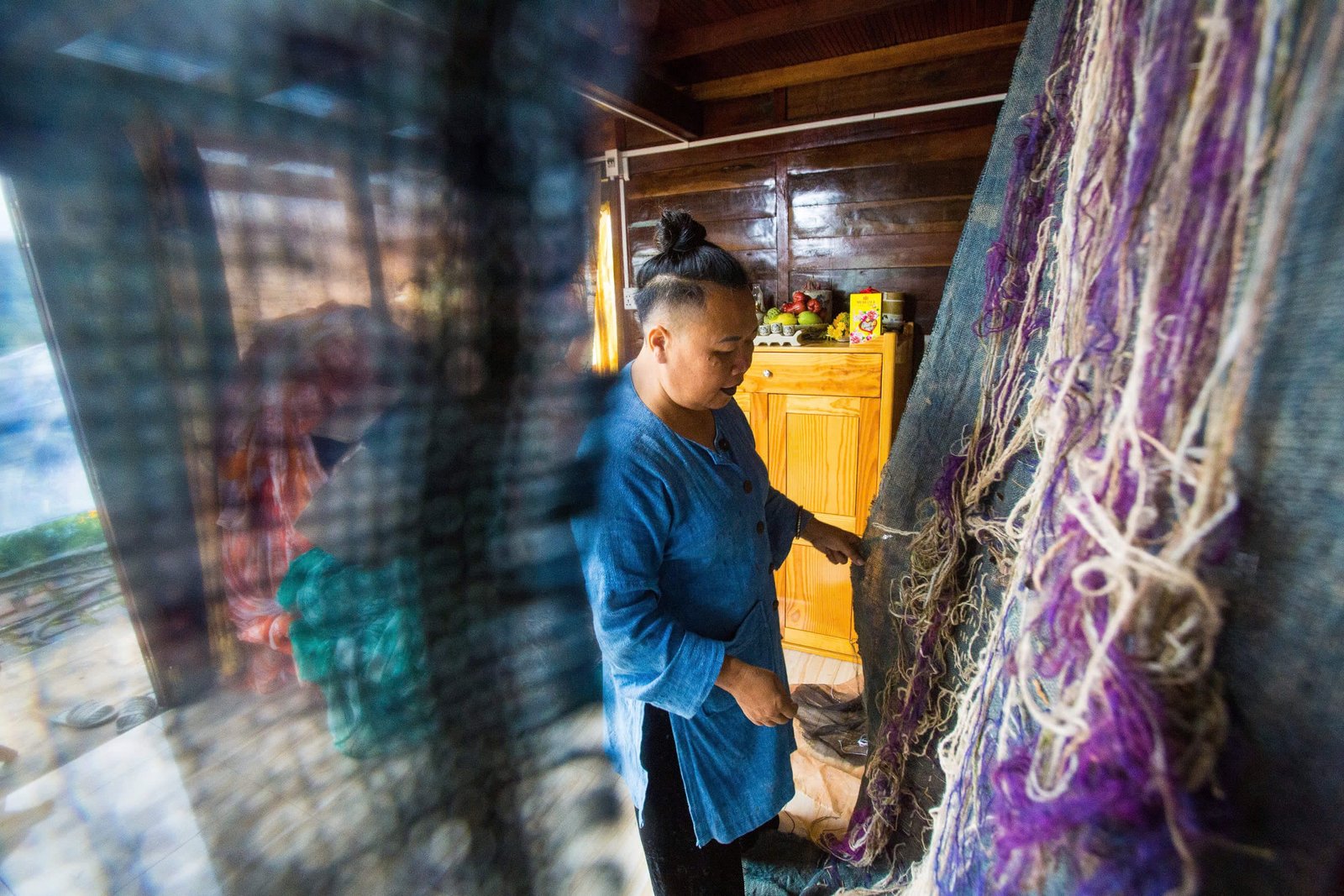
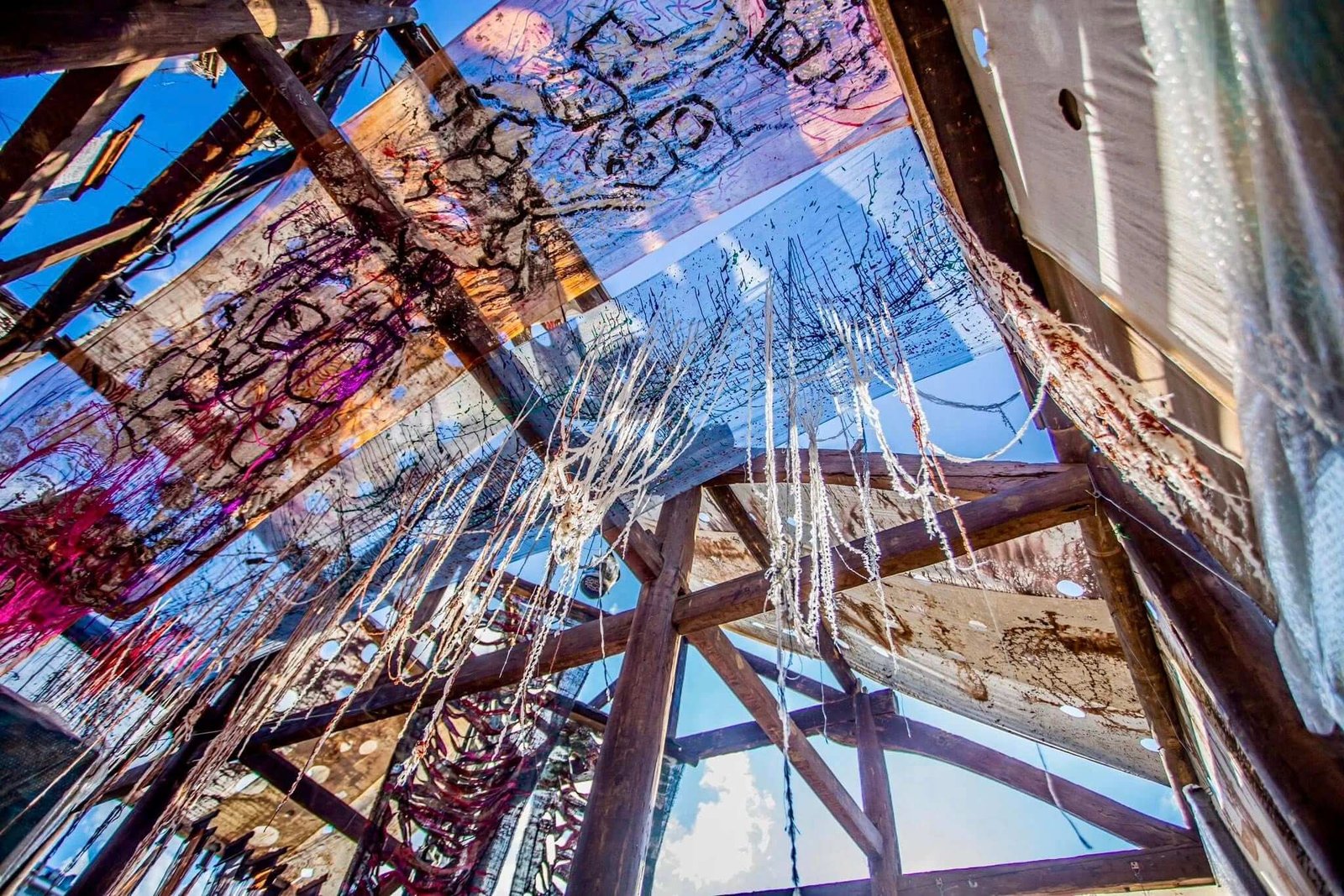
Photo: Artist Thu Tran. Credit: Thu Tran and Phan Ling Gallery
Here’s why emerging art is ideal for first-time collectors:
1. Affordable Access to Original Works
Unlike established artists whose pieces can cost tens of thousands or even millions, emerging artists often price their works at levels that are approachable for new collectors. This lets you start your collection thoughtfully, without feeling financially overextended.
2. Fresh Ideas and Creative Exploration
Emerging artists frequently experiment with materials, techniques, and concepts, bringing fresh energy and perspective to the art world. Whether in oil painting, silk artwork, or mixed media, their works are often just as technically sophisticated and emotionally engaging as those of more established artists.
3. Connection With the Artist
Emerging artists are not only accessible, but their work is often the most imaginative and dynamic being created today — and they are essential to the art ecosystem. Collecting their work allows you to directly support creativity, access high-quality original pieces at reasonable prices, and build a collection that is personal and meaningful. Most importantly, it allows you to engage deeply with the art-making process and the artist’s philosophy.
4. Mindful and Intentional Collecting
What separates a collector from a casual art buyer is the time, thought, and curiosity invested in each acquisition. Studying an artist’s career, philosophy, and evolution adds depth to your collection. You collect not merely to own, but to make a statement and build your perspective, using the artist’s work as a reference point for your own ideas.
5. Supporting a sustainable art ecosystem
We often talk about the ‘starving artist,’ but the statistics are startling. According to Statista reports, only about 10% to 24% of arts graduates in the U.S.—and fewer than 5% of artists in Vietnam—can actually make their primary earnings as artists. These struggling creators need a stable support system, and that’s where you come in. When you purchase a piece from an emerging artist or a gallery that supports them, you aren’t just decorating a wall. You are directly funding a sustainable art scene for the future and ensuring that their intellectual creativity is protected and maintained
Collecting is not about trends or prestige. It’s about curating a collection that aligns with your personal vision and values.
Step-by-Step: How to Start Collecting Art
Step 1: Explore With Curiosity
Visit galleries, exhibitions, art fairs, and studios. Don’t feel pressure to buy right away — simply observe, take notes, and pay attention to what captures your interest. This exploration helps you understand your taste and begin to build a meaningful collection
Step 2: Define Your Taste and Intent
Ask yourself these questions:
What do I think art should be like? Is for decoror should it be able to provoke my thoughts?
What emotions or ideas do I want my collection to reflect?
Which artists whose values are aligned with mine?
Step 3: Study the Artists
Once a piece resonates with you, dig deeper. Learn about the artist’s career, philosophy, and how their style has changed over time. What sets collectors apart is the intellectual and emotional investment they make. By understanding the artist’s journey, you add depth and context to your collection, making it richer and more meaningful.
For example, Thu Tran, who specializes in silk, is a fantastic emerging artist to follow. You can explore her artistic journey through the solo exhibitions she has done, which reveal the cultural, intellectual, and emotional value embedded in her work. Observing her evolution helps you appreciate not just the beauty of her pieces, but the ideas and craft behind them. Incorporating artists like her into your collection highlights the kind of mindful, meaningful approach that separates true collectors from casual buyers.
Step 4: Start Small, Start Meaningfully
You don’t need a mansion or a huge budget. Emerging artists’ works are accessible, which means you can acquire a few carefully chosen pieces and let your collection grow naturally. Prioritize works that move you, that spark curiosity, or that reflect ideas you care about. Even a small, well-considered collection can be profoundly meaningful.
Step 5: Build Relationships
Attend gallery openings, studio visits, and talks. Ask questions, meet artists, and engage with curators. Go to exhibitions where you can see firsthand how their ideas and concepts play out. These experiences make collecting far more rewarding and can even give you early access to new pieces. Over time, your collection becomes a living dialogue — between you, the artist, and the ideas their work embodies.
When you collect art, you’re not just buying beautiful objects — you’re investing in people. Choosing which artists to support is more challenging than simply picking a piece you like aesthetically. The reputation of the artist, how they manage their publicity, their work ethic, and their ability to evolve all influence the artwork you acquire. But don’t worry — at Phan Ling Gallery, we understand this process deeply and are very careful about selecting artists. We follow their careers, collaborate with them, and build both professional and personal relationships. As the gallery owner, I witness firsthand how the philosophies and beliefs they put onto canvas are lived out in their daily lives. That insight allows us to guide collectors toward works that are both meaningful and enduring.
Step 6: Care for Your Collection
Preserve your pieces through framing, climate control, and careful handling. Keep receipts, certificates, and provenance documentation. Caring for your collection shows respect for the art and the artist, and ensures your works remain beautiful and valuable over time.
Step 7: Let Your Collection Evolve
Your collection will grow alongside your tastes and experiences. Some early acquisitions may become “learning pieces” that inform your future decisions. Others may hold sentimental or conceptual significance. Remember: collecting is a lifelong dialogue, not a checklist.
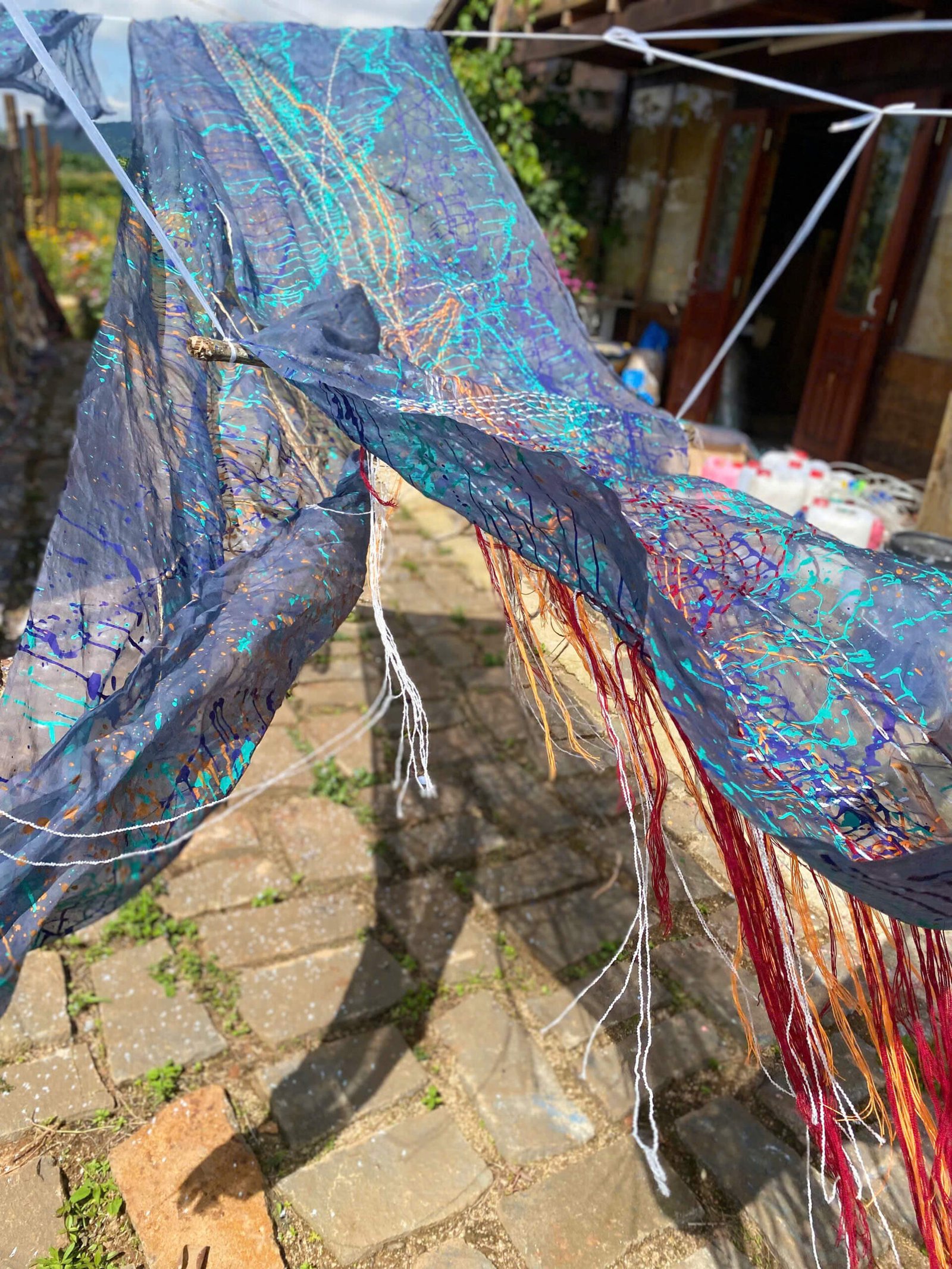
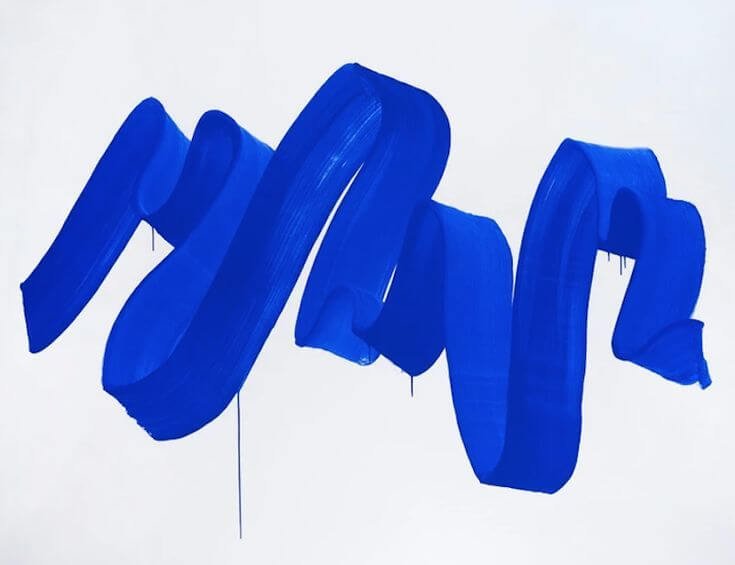
Photo: Thu Tran artwork for Xong Chu Xon Xao exhibition (2025). Credit: Thu Tran and Phan Ling Gallery
Because we know collecting is personal, Phan Ling Gallery doesn’t just display art; we curate the stories. We bring you the exclusive, behind-the-scenes insights and the artists’ most personal motivations. This helps you gain clarity and confidence when choosing the ideal artist and piece for your valuable collection
Start Your Collection Today
Collecting art isn’t just about owning beautiful objects — it’s about investing in people. Choosing artists goes beyond aesthetics to include their values, work ethic, and ability to grow. At Phan Ling Gallery, we carefully select artists we truly believe in, building close relationships and guiding collectors toward artworks that are lasting and worth collecting.
Start your collecting journey today. Visit us, meet the artists, and discover pieces that speak to your heart — because building a collection is about connection, curiosity, and investing in the people behind the art.