In every era, art has been the mirror of our humanity — revealing what words cannot, preserving what politics forget, and feeling what data can’t. Yet in today’s fast-moving world of algorithms and ambition, art’s purpose is often questioned. Why do we still need it? What is the role of art in society today — in a world that seems to value productivity over poetry?
Why Art Is Important in Today’s World
Art is not a luxury; it’s a necessity. The role of art in society today goes far beyond decoration — it reflects emotion, culture, and truth. While technology connects us digitally, art reminds us of our shared humanity. It helps people understand each other’s pain, beauty, and complexity.
In an age where attention spans are short and opinions loud, art slows us down. It demands we look closer. It doesn’t simply entertain; it asks questions, challenges comfort, and gives voice to emotions that words alone cannot express.
This is why art is important in today’s world: because it keeps us human in a time that risks forgetting what humanity feels like.
Art Commences Tough Conversations
Picasso’s “Guernica”: When Art Speaks the Unspeakable
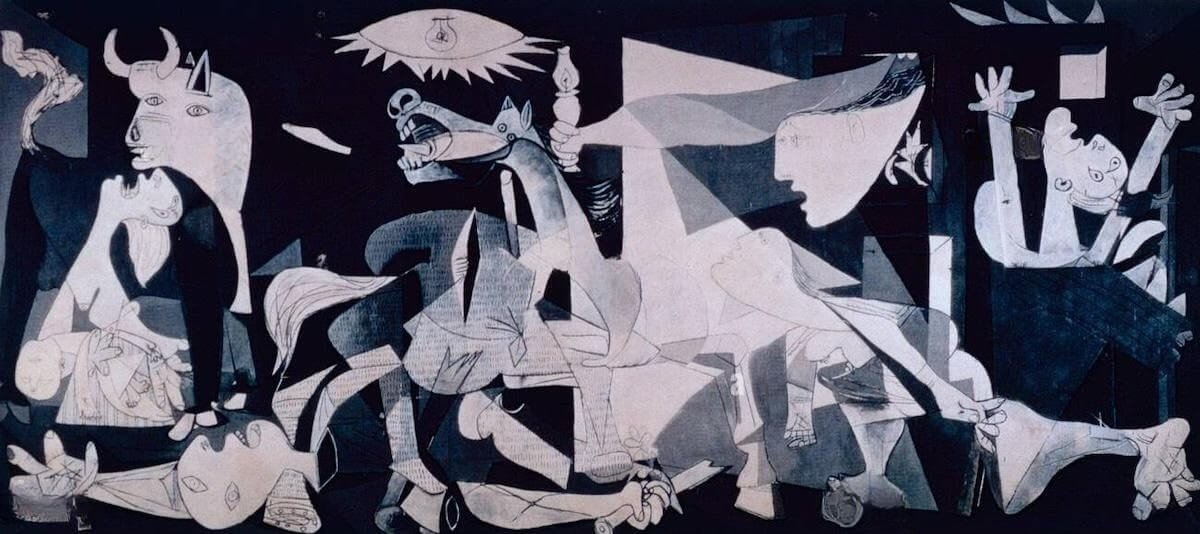
One of the clearest examples of how art starts tough conversations is Pablo Picasso’s Guernica. Painted in 1937 after the bombing of a Basque town during the Spanish Civil War, the piece isn’t just a painting — it’s a protest. Through fragmented forms and muted tones, Picasso turned horror into visual language.
Photo: Guernica (1937) by Picasso. Credit: Pablo Picasso Org
At a time when the truth was censored, Guernica gave people permission to feel, question, and resist. It showed that art could do what politics could not: express grief and rage without propaganda. Today, its meaning still resonates as a reminder of the role of art in society — to speak truth to power, to question violence, and to make empathy visible.
Trần Lương: Vietnam’s Quiet Rebellion Through Art
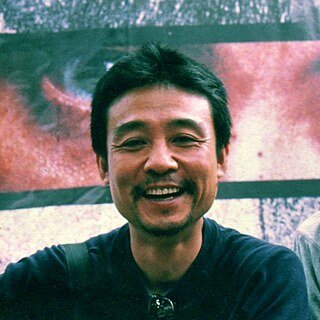
Closer to home, Vietnamese performance artist Trần Lương embodies this same spirit. His installations and performances use the body as a medium of protest — soft gestures that carry deep resistance.
Photo: Artist Trần Lương.
Vietnamese artist Trần Lương embodies the idea that art can be both resistance and renewal. His works often confront injustice, inequality, and the collective memory of war — transforming pain into dialogue. As he said, “Art is a way to fight for justice.”Through projects like Tầm Tã – Soaked in the Long Rain, Trần Lương uses performance and community engagement to reveal the quiet resilience of ordinary people. His art reminds us that creativity is not just personal expression, but a moral act — a way to rebuild empathy and preserve the human spirit in a rapidly changing world.
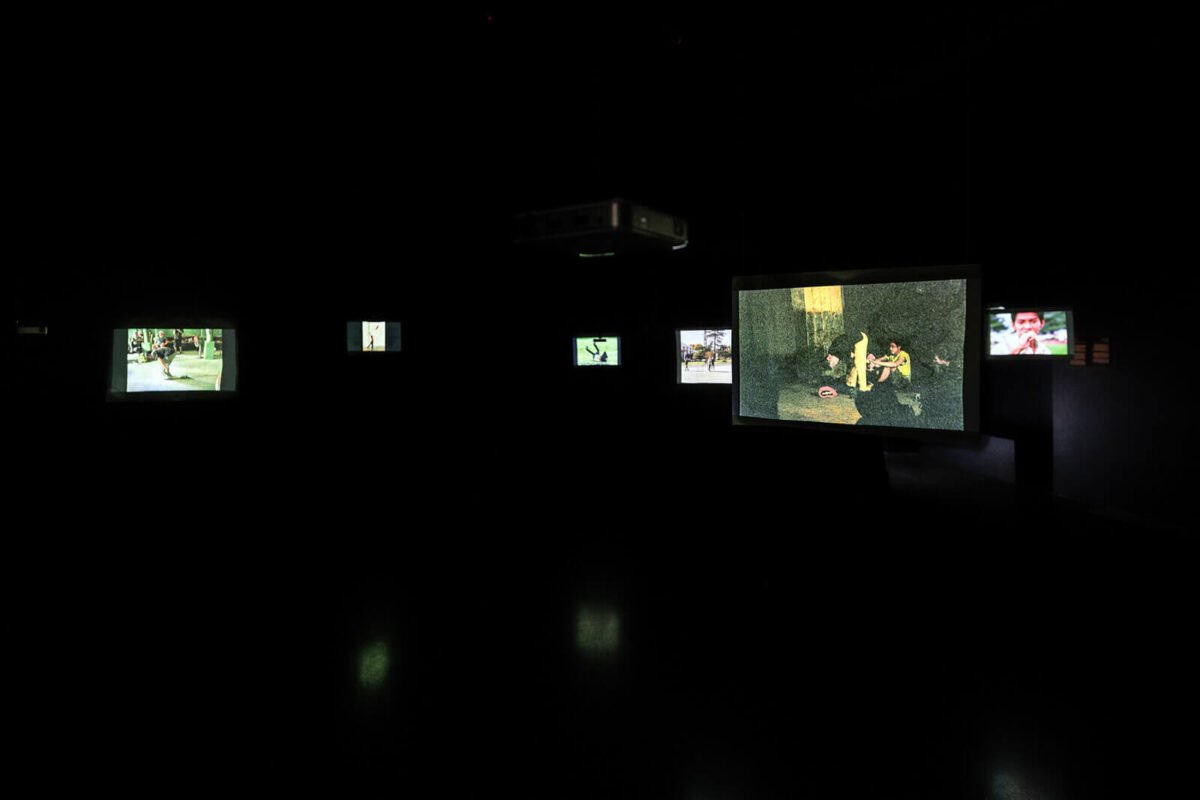
Photo: Tầm Tã – Soaked in the Long Rain, Trần Lương, exhibition view, Jameel Arts Centre, 2024. Credit: Trần Lương
Art Reflects Human Value in a Material World
Art carries the essence of humanity — born from emotion, imagination, and the need to make meaning. Once a universal language of beauty, pain, and truth, it has increasingly been entangled in systems of power and profit. What was created to express has too often become a symbol of wealth and influence.
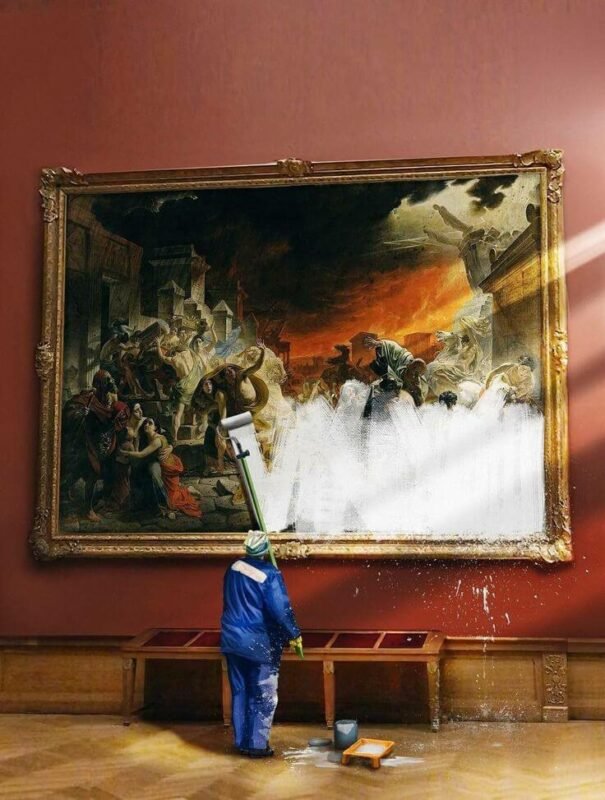
The importance of art in society is distorted when it’s treated purely as a financial asset — traded, auctioned, or locked in vaults. This mindset reflects how society values people and creativity. When art is measured by its price instead of its purpose, we lose sight of its ability to make us feel, think, and connect as humans.
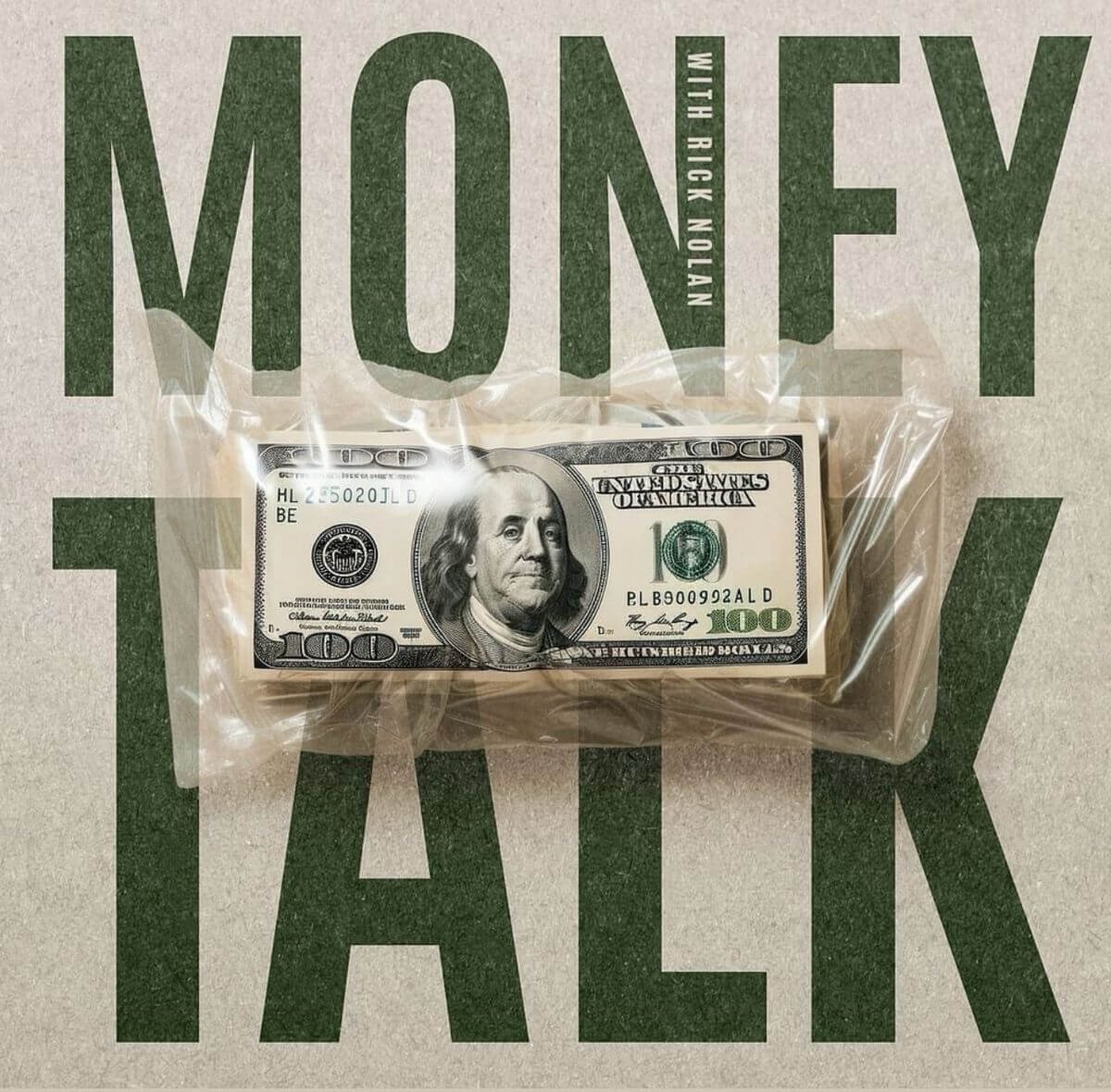
The link between art and money laundering isn’t fiction; it’s a reality of today’s art market. Behind the glamour of private sales, offshore galleries, and digital currencies, artworks can become tools for moving money — masterpieces reduced to numbered accounts rather than living expressions of creativity.
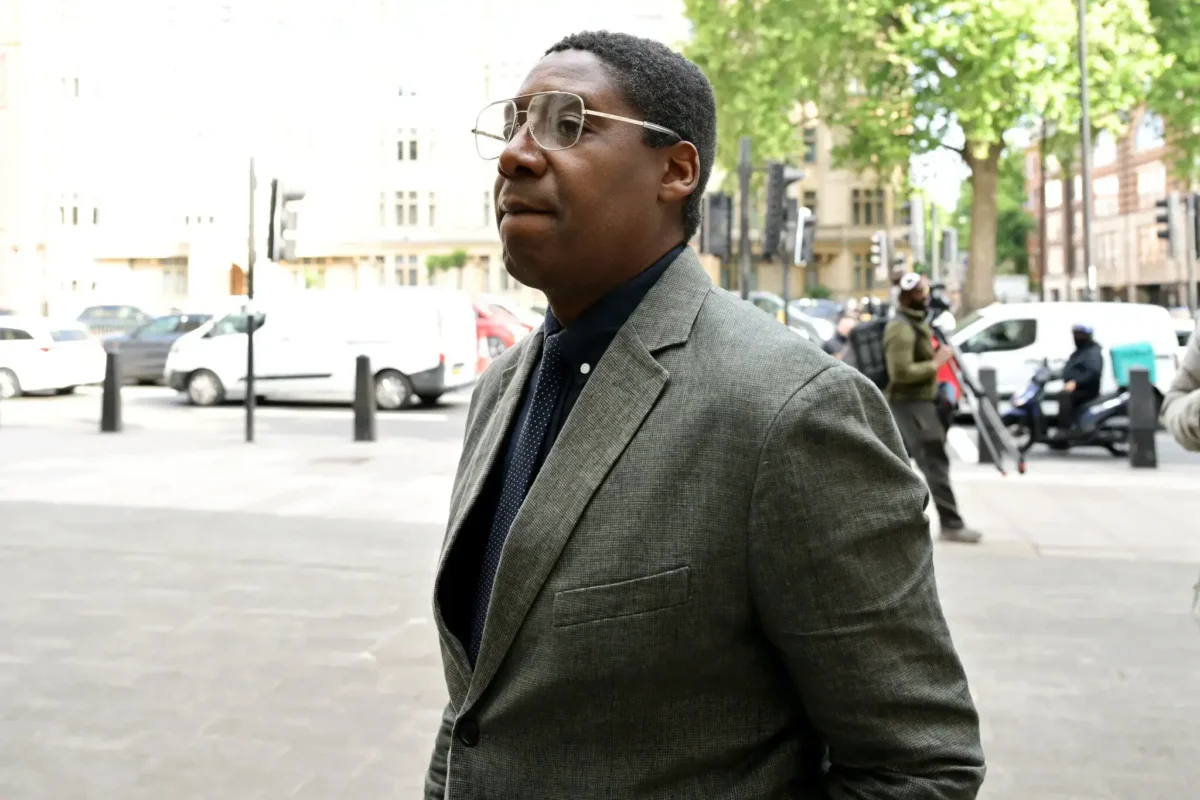
In 2025, UK authorities sentenced art dealer Oghenochuko Ojiri to two and a half years in prison for selling artworks worth around £140,000 to Nazem Ahmad, a sanctioned individual accused of financing Hezbollah. The case exposed how easily the art market can be exploited for money laundering and the movement of illicit funds under the guise of cultural trade.beauty becomes currency.
This is where the role of art in modern society faces its greatest contradiction. Art was made to express love, fear, hope, and justice — not to be exploited. Using art for money laundering is more than unethical; it’s a quiet violence against humanity itself, mirroring the same disregard for dignity seen in issues like human trafficking and modern slavery.
When art becomes a transaction, its soul fades. Every piece carries the artist’s story, emotion, and vision of life. To treat it as an investment is to sever that connection.
If we continue to treat creativity as currency, we risk losing not just beauty, but conscience. To restore the human value of art, we must see it not as property, but as a mirror — reflecting who we are, what we believe in, and how deeply we choose to remain human.
Art and Human Connection in the Age of AI
In the digital era, we connect faster but feel lonelier. Social media shows us faces, not feelings. Artificial intelligence produces images and words that mimic creativity but lack soul.
That’s why the role of art in society today is more vital than ever. Art offers something algorithms cannot — authentic emotion and vulnerability. When we stand before a painting or performance, we share a human experience that no code can replicate.
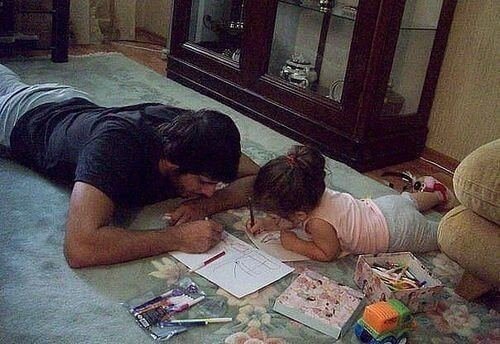
Art bridges isolation. It says: “You’re not alone.” It transforms private emotions into collective understanding. Whether through a poem, a sculpture, or a photograph, art reconnects us to empathy — the quiet heartbeat of civilization.
Why Art Is Needed Now More Than Ever
In times of uncertainty — war, inequality, disconnection — art is both a refuge and a revolution. It reminds us that civilization isn’t defined by skyscrapers or stock markets, but by the stories we tell and the beauty we preserve.
Art teaches us how to feel again, how to think deeply, and how to imagine differently. It holds a mirror to society’s conscience and invites us to see not only what is, but what could be.
So, the next time someone asks, “What’s the role of art in society today?”— the answer is simple: Art is the pulse of humanity. Without it, we survive. With it, we truly live.